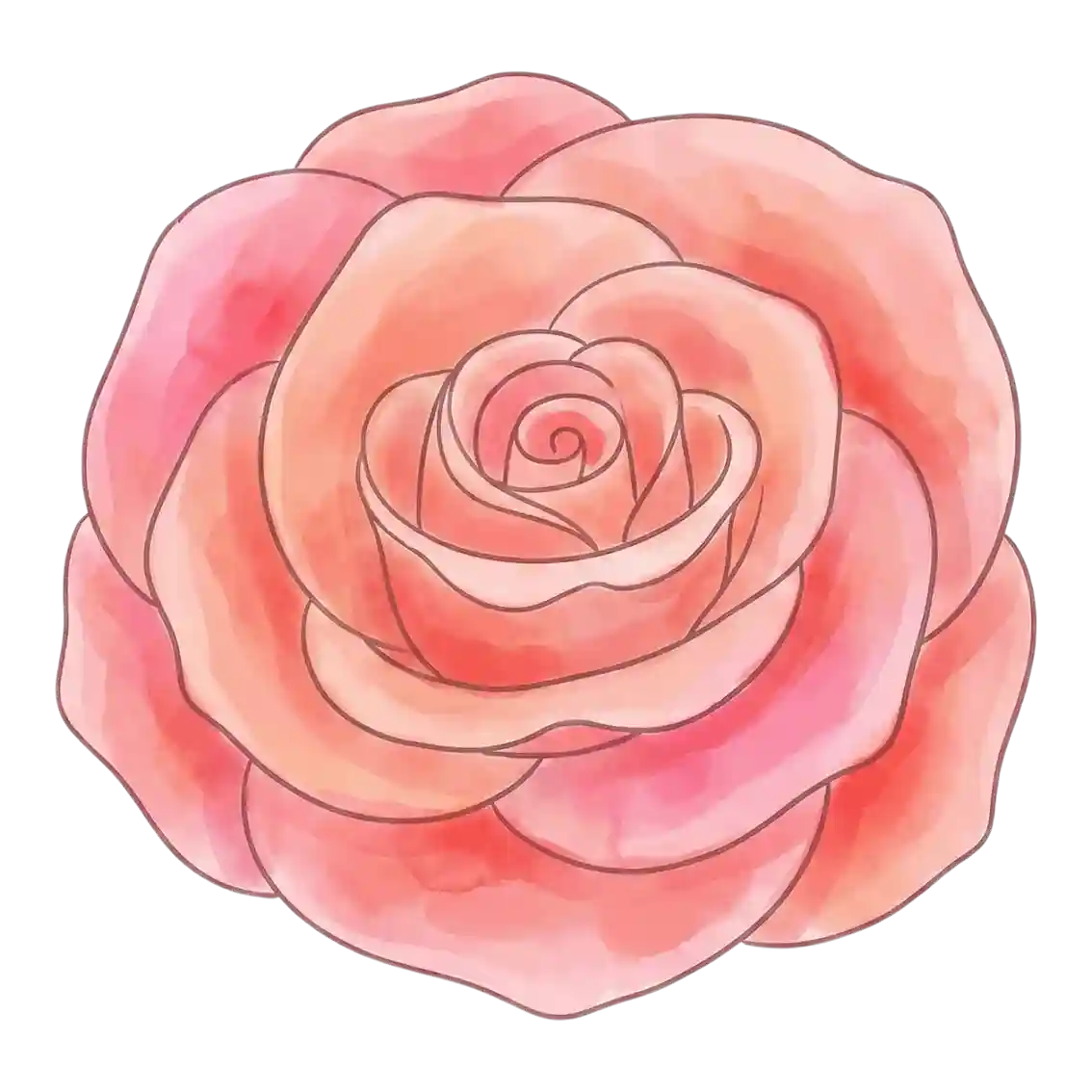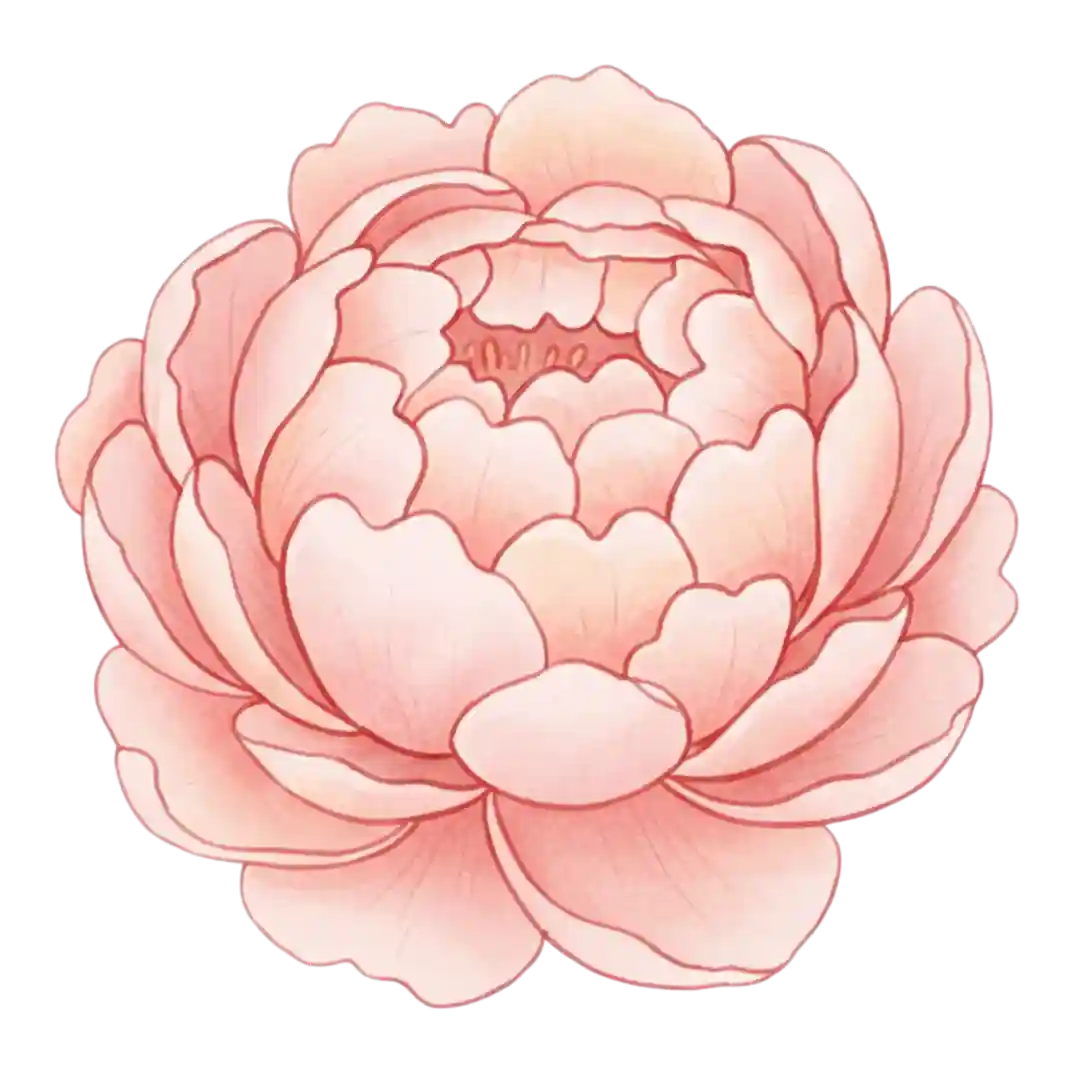
A Flower Steeped in Eastern Heritage
The camellia is one of those rare blossoms that carries an entire civilization's worth of meaning within its layered petals. Originating in the mountainous forests of East Asia, camellias have been cultivated in China and Japan for thousands of years, long before they ever reached European shores. In China, the camellia is known as "chahua," and it has been celebrated in art, poetry, and daily life since at least the Tang Dynasty. Chinese gardeners prized the flower not only for its visual elegance but also for the tea plant that belongs to the same genus, Camellia sinensis, the very plant from which all true teas are brewed. This deep botanical connection between the camellia blossom and tea culture gave the flower a unique place in Chinese society, linking it to rituals of hospitality, contemplation, and refinement.
In Japan, the camellia holds an equally significant, though somewhat more complex, cultural role. Known as "tsubaki," the Japanese camellia became a symbol of the samurai class during the feudal era. Warriors admired the way the camellia flower drops from the branch in one clean, whole piece rather than losing its petals one by one. This characteristic was interpreted as a metaphor for a noble and decisive end, which made the flower both revered and, in certain contexts, associated with mortality. Despite this somber connection, the camellia remained deeply loved in Japanese art and garden design. It became a staple flower in tea ceremony gardens, where its quiet beauty complemented the atmosphere of mindful simplicity. Japanese artisans also wove camellia motifs into kimonos, ceramics, and lacquerware, ensuring the flower's image permeated everyday aesthetics.
When Portuguese and Dutch traders brought camellias to Europe in the seventeenth and eighteenth centuries, the Western world fell in love almost immediately. Camellia gardens sprang up in England, France, and across the Mediterranean. The flower's ability to bloom in late winter, when most other plants remain dormant, made it a symbol of hope and endurance in colder climates. Wealthy collectors competed to acquire rare varieties, and the camellia became a mark of refined taste among European aristocracy.
Symbolism of the Camellia
At its core, the camellia represents admiration, perfection, and longing. When you give someone a camellia, you are telling them that you hold them in the highest regard, that you see something flawless and deeply worthy of devotion in who they are. Unlike roses, which often speak of fiery passion and romantic urgency, camellias convey a quieter, more enduring form of affection. The camellia says that your feelings are steadfast, that your admiration does not waver with time or distance.
The flower also carries the meaning of faithfulness and long-lasting devotion. Because camellia plants are evergreen and their glossy leaves remain vibrant throughout the year, the plant itself embodies constancy. A camellia given as a gift suggests that the giver's feelings will remain green and alive regardless of the seasons that pass. This makes the camellia a particularly meaningful flower for long-distance relationships, enduring friendships, and connections that have weathered challenges together.
In Victorian England, where the language of flowers became an elaborate system of coded communication, the camellia took on an air of graceful excellence. A gentleman presenting a camellia to a lady was expressing that he considered her the pinnacle of beauty and character. The flower carried no hint of scandal or impropriety, making it the perfect choice for expressions of sincere, respectful admiration.
What Each Color Means
Red Camellias: Deep Desire and Passionate Devotion
A red camellia speaks of a burning, heartfelt desire that runs deeper than surface attraction. It is a flower for those moments when you want someone to know that your feelings for them are intense, consuming, and unwavering. Red camellias are often exchanged between lovers who share a profound emotional bond, one that goes beyond infatuation into the territory of soul-deep connection. In East Asian traditions, red camellias are also associated with the heart and with the flame of devotion that refuses to be extinguished.
Pink Camellias: Longing and Gentle Yearning
Pink camellias carry the tender ache of longing. They are the flower you send when you miss someone deeply, when distance or circumstance keeps you apart from a person you care about. The soft blush of pink petals conveys a sweetness to this yearning, suggesting that the pain of separation is made bearable by the beauty of the connection itself. Pink camellias are ideal for expressing that someone is always on your mind, that you carry them with you even when they cannot be by your side.
White Camellias: Pure Adoration and Innocent Love
White camellias represent adoration in its purest, most uncomplicated form. They suggest a love that is clean, sincere, and free of hidden agendas. White camellias are often associated with new beginnings and are a beautiful choice for weddings, christenings, or any occasion where purity of feeling is the central sentiment. In Japan, white camellias are sometimes placed at shrines and temples as offerings, reflecting their association with spiritual purity and divine grace.
The Chanel Connection
Perhaps no figure in modern history is more closely associated with the camellia than Coco Chanel. The legendary fashion designer adopted the camellia as her personal emblem and the signature motif of her brand. Chanel first encountered the flower through her reading of Alexandre Dumas's novel "La Dame aux Camelias" and was captivated by its elegant simplicity. She loved that the camellia had no scent, which meant it would never compete with her perfumes. She also admired the flower's perfectly symmetrical, geometric arrangement of petals, which she saw as a reflection of her own design philosophy: beauty through structure and restraint.
Chanel began wearing a camellia on her lapel and soon incorporated the flower into her collections. The camellia brooch became one of the most iconic accessories in fashion history, and the motif appeared on everything from handbags and shoes to jewelry and fabric prints. To this day, the house of Chanel cultivates its own camellia gardens and releases limited-edition camellia-inspired collections each year. Through Chanel's influence, the camellia became synonymous with effortless elegance and timeless sophistication in the world of fashion and beyond.
Camellias in Literature
The camellia's most famous literary appearance is in Alexandre Dumas fils's 1848 novel "La Dame aux Camelias" (The Lady of the Camellias). The story follows Marguerite Gautier, a Parisian courtesan who always carries camellias with her. She wears white camellias for twenty-five days of each month and red camellias for the remaining five. The novel is a tragic love story that explores themes of passion, sacrifice, and social class. Marguerite's devotion to camellias became her defining characteristic, and the flower served as a symbol of both her beauty and her fragility.
The novel was later adapted into Giuseppe Verdi's beloved opera "La Traviata," which brought the story and its floral symbolism to audiences worldwide. Through these works, the camellia became firmly embedded in Western culture as a flower of romantic tragedy and noble sacrifice. The literary legacy of the camellia reinforced its association with deep, complicated love and with beauty that carries an undercurrent of poignancy.
Beyond Dumas, camellias appear throughout East Asian poetry and literature. Chinese poets of the Song Dynasty wrote extensively about the flower, praising its ability to bloom during the cold months when snow still covered the ground. Japanese haiku masters also turned to the camellia as a seasonal reference, using the falling tsubaki blossom as a meditation on impermanence and the graceful acceptance of endings.
When to Send Camellias
Camellias are a thoughtful choice for a wide range of occasions, each carrying its own nuance of meaning. Consider sending camellias when you want to express admiration for someone's character or achievements. They are perfect for congratulating a colleague, honoring a mentor, or celebrating a friend's personal milestone. Because camellias convey respect without the overtly romantic overtones of roses, they work beautifully in professional and platonic contexts.
For romantic occasions, camellias offer an alternative to the expected. Sending camellias to a partner tells them that your love is refined, enduring, and deeply considered. They are especially fitting for anniversaries, where the emphasis is on the lasting nature of a bond rather than the initial spark of attraction. Pink camellias make a lovely gesture for someone you are missing, while red camellias can mark a special romantic milestone with intensity and sincerity.
Camellias also serve as meaningful sympathy flowers. Their association with steadfastness and quiet dignity makes them appropriate for memorial services and for offering comfort during times of loss. White camellias in particular carry a gentle solemnity that acknowledges grief while honoring the memory of someone who has passed.
Fun Facts About Camellias
- Camellias belong to the family Theaceae, the same botanical family as the tea plant. Every cup of tea you drink comes from a close relative of the ornamental camellia.
- There are over 3,000 named cultivars of the camellia, ranging in color from pure white to deep crimson, with some varieties featuring striking bicolor patterns and ruffled petal forms.
- Camellia oil, extracted from the seeds of Camellia oleifera, has been used in East Asian cooking and beauty rituals for centuries. Japanese geishas traditionally used camellia oil to condition their hair and protect their skin.
- The oldest living camellia tree is believed to be over 1,000 years old and grows in a temple garden in China's Yunnan Province. It still produces blooms every year.
- Alabama designated the camellia as its official state flower in 1959, making it the only U.S. state to honor this particular bloom.
- Camellias can bloom in winter, with some varieties flowering as early as November and continuing through March, earning them the nickname "the rose of winter."
- In Korean culture, camellias symbolize faithfulness and are commonly featured in traditional wedding celebrations to wish the couple an enduring union.
Send a Camellia Bouquet Today
Create a digital bouquet featuring beautiful camellias and share it with someone you admire.
Create Your Bouquet