The World's Most Diverse Flower Family
Orchids belong to the family Orchidaceae, which is one of the two largest families of flowering plants on Earth, rivaled only by the daisy family Asteraceae. With more than 25,000 documented species and over 100,000 registered hybrid cultivars, orchids represent an astonishing breadth of natural diversity. They grow on every continent except Antarctica, thriving in environments as varied as tropical rainforests, arid grasslands, arctic tundra, and even underground. Some orchids are no larger than a coin, while others produce flower spikes stretching several feet in length.
This remarkable adaptability is part of what makes orchids so fascinating to botanists, collectors, and casual admirers alike. Unlike many flowers that rely on a single pollination strategy, orchids have evolved an extraordinary range of methods to attract pollinators, from mimicking the appearance and scent of female insects to producing nectar guides visible only under ultraviolet light. Each species tells a unique evolutionary story, shaped by millions of years of coexistence with specific pollinators, fungi, and ecosystems.
The Dramatic History of Orchid Hunting
Few chapters in botanical history are as thrilling or as perilous as the era of orchid hunting. During the eighteenth and nineteenth centuries, Europe was gripped by what historians call "orchidelirium," an obsessive craze for collecting rare and exotic orchid species from the tropics. Wealthy collectors in England, France, and the Netherlands paid staggering sums for specimens brought back from the jungles of South America, Southeast Asia, and Africa.
Professional orchid hunters were dispatched to some of the most remote and dangerous corners of the globe. These expeditions were fraught with peril. Hunters faced tropical diseases like malaria and yellow fever, hostile wildlife, treacherous terrain, and sometimes violent encounters with rival collectors who sabotaged each other's efforts to maintain competitive advantage. Some hunters disappeared entirely, swallowed by the very jungles they sought to plunder. The competition was so fierce that successful collectors would sometimes destroy entire populations of orchids after harvesting their specimens, ensuring that no rival could obtain the same variety.
Despite the human cost, this era of exploration significantly advanced scientific understanding of orchid biology and tropical ecosystems. Many species discovered during this period remain among the most prized cultivars in modern horticulture. The legacy of orchid hunting also raised early awareness about the dangers of over-collection and habitat destruction, contributing to the eventual development of conservation practices that protect wild orchid populations today.
Orchid Symbolism Through the Ages
Orchids have carried powerful symbolic meaning across cultures and centuries. Their exotic beauty, long-lasting blooms, and seemingly mysterious growing habits have inspired associations with some of humanity's deepest values and aspirations.
Luxury and Refinement
Throughout history, orchids have been synonymous with wealth, elegance, and sophisticated taste. In ancient Greece, the philosopher Theophrastus was among the first to write about orchids, and the very name "orchid" derives from the Greek word orkhis. During the Victorian era, orchids became the ultimate status symbol among the European elite. Owning a rare orchid species signaled both financial means and cultural refinement. A single rare specimen could sell for the equivalent of a modest house, and private orchid collections were showcased with as much pride as fine art. This association with luxury persists today, making orchids a popular choice for high-end hotels, upscale restaurants, and formal events.
Beauty and Elegance
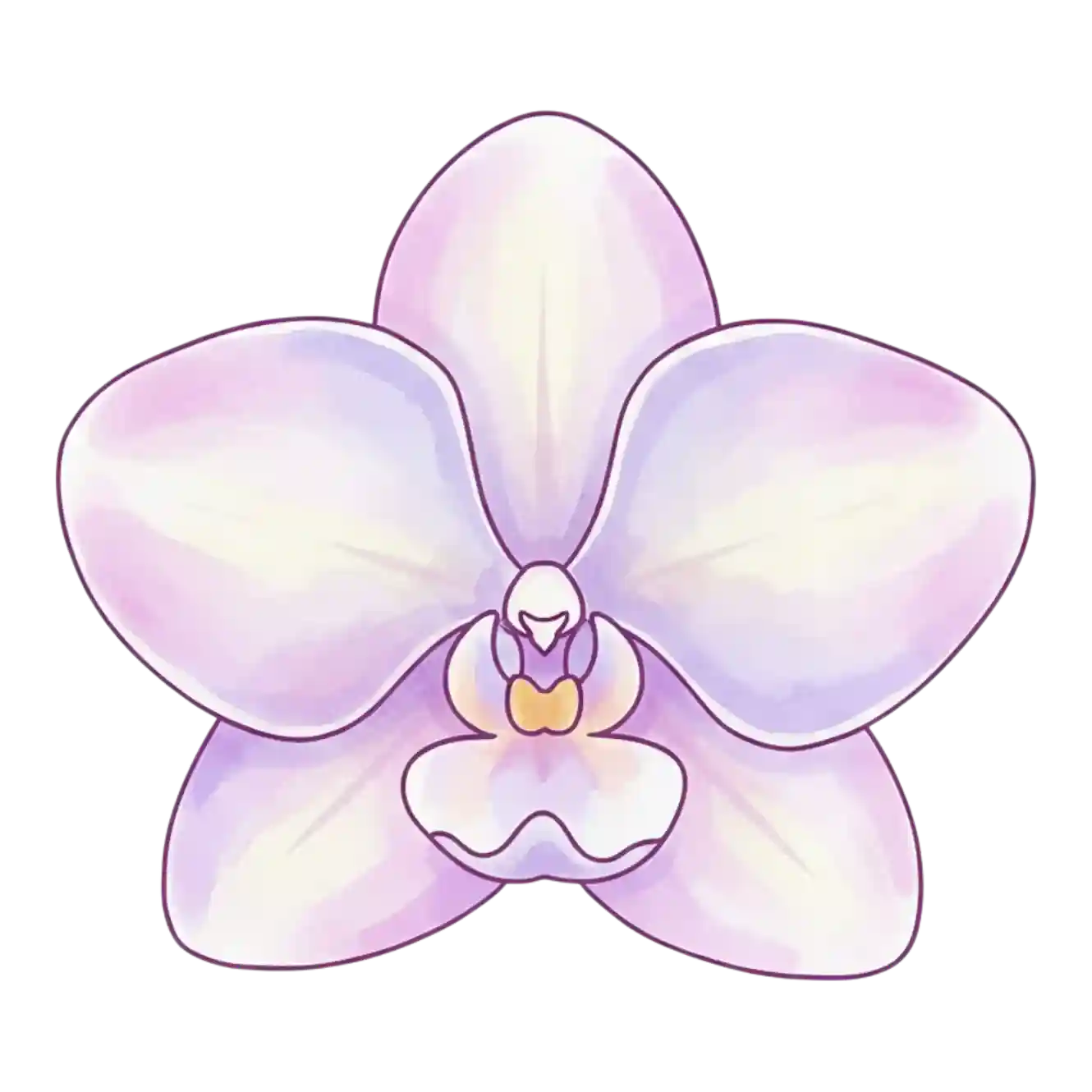
The orchid's intricate flower structure, with its symmetrical petals and often striking lip or labellum, is widely regarded as one of nature's most beautiful creations. No two orchid species look quite alike, yet all share an unmistakable elegance that sets them apart from other flowers. This beauty is not merely skin deep; orchid blooms can last for weeks or even months, outlasting most cut flowers by a significant margin. The enduring nature of their beauty has made orchids a symbol of lasting grace and timeless appeal.
Strength and Resilience
Despite their delicate appearance, orchids are remarkably tough and adaptable. Many species are epiphytes, meaning they grow on the surfaces of other plants without soil, drawing moisture and nutrients from the air and rain. Others thrive in nutrient-poor environments where few other plants can survive. This ability to flourish under challenging conditions has made the orchid a symbol of inner strength, perseverance, and the capacity to find beauty even in adversity. It is a fitting flower for someone navigating a difficult time or embarking on a challenging journey.
Fertility and Abundance
In many ancient cultures, orchids were associated with fertility and virility. The ancient Greeks believed that consuming orchid tubers could influence the gender of an unborn child. In traditional Chinese medicine, certain orchid species were used in remedies believed to promote vitality and reproductive health. The Aztecs of Mesoamerica combined vanilla orchid extract with cacao to create a drink they believed would bestow strength and power. While these beliefs have no basis in modern science, they illustrate the deep and enduring connections humans have drawn between orchids and the life-giving forces of nature.
The Language of Orchid Colors
Orchids bloom in a breathtaking spectrum of colors, and each hue carries its own particular meaning and emotional resonance.
- White Orchids: Innocence, purity, elegance, and reverence. White orchids are a classic choice for weddings, religious ceremonies, and sympathy arrangements. They convey a sense of quiet grace and spiritual depth.
- Purple Orchids: Royalty, admiration, respect, and dignity. Purple has long been associated with nobility and power, and purple orchids carry these same regal connotations. They are ideal for expressing deep respect or honoring an achievement.
- Pink Orchids: Femininity, grace, joy, and affection. Pink orchids are a warm and tender choice for expressing love, gratitude, and happiness. They are particularly popular for Mother's Day and anniversary celebrations.
- Yellow Orchids: Friendship, new beginnings, and optimism. Bright and cheerful, yellow orchids radiate positivity and are perfect for congratulating a friend, welcoming someone to a new home, or brightening a difficult day.
- Red Orchids: Passion, desire, and bold love. Red orchids make a dramatic statement of romantic intensity. They are a striking alternative to red roses for Valentine's Day or a passionate anniversary gesture.
- Orange Orchids: Enthusiasm, creativity, and pride. Orange orchids embody energy and boldness. They are an excellent choice for celebrating artistic achievements or encouraging someone to embrace their creative spirit.
- Blue Orchids: Rarity, uniqueness, and spiritual contemplation. True blue orchids are extremely rare in nature, which gives them an air of mystery and exclusivity. They represent something truly one-of-a-kind.
Orchids Across World Cultures
The orchid's global distribution has given rise to rich and varied cultural traditions on nearly every continent. Understanding how different societies have interpreted the orchid reveals the flower's universal appeal and its remarkable capacity to inspire meaning.
Japan: The Flower of Warriors
In Japanese culture, the orchid holds a position of great honor. The samurai, Japan's legendary warrior class, admired orchids for their graceful strength and quiet beauty. The orchid was seen as embodying the samurai ideal of combining power with refinement, fierceness with elegance. In the traditional Japanese art of flower arranging, known as ikebana, orchids are prized for their clean lines and sculptural forms. The wild orchid, or ran, is considered one of the Four Gentlemen of Chinese-influenced East Asian art, alongside bamboo, chrysanthemum, and plum blossom, representing the virtues of integrity and noble character.
China: A Symbol of Refinement
The Chinese have cultivated orchids for over 3,000 years, making China one of the oldest centers of orchid appreciation in the world. The great philosopher Confucius compared the orchid to a virtuous person, praising its quiet fragrance that fills a room without demanding attention. In Chinese tradition, the orchid represents refinement, scholarly achievement, and moral integrity. It is one of the Four Noble Plants in Chinese art, and orchid cultivation is considered a meditative practice that develops patience, sensitivity, and aesthetic awareness. Chinese calligraphers have long used the orchid leaf as a model for graceful brushwork, and paintings of orchids adorn homes and studios as symbols of cultivated taste.
Victorian England: The Ultimate Luxury
During the Victorian era, orchids became the most coveted botanical treasures in the Western world. Wealthy Victorians built elaborate heated greenhouses, called orchid houses or stove houses, specifically designed to replicate tropical conditions. Orchid exhibitions drew enormous crowds, and the most successful orchid growers achieved celebrity status. The Victorians also incorporated orchids into their elaborate language of flowers, or floriography. Giving someone an orchid conveyed a message of refined beauty, rare affection, and thoughtful admiration. The tradition of associating orchids with luxury and exclusivity in Western culture traces directly back to this period of intense fascination.
Ancient Aztec Civilization
The Aztecs of central Mexico cultivated the vanilla orchid, known as Vanilla planifolia, long before European contact. Vanilla was considered a precious commodity and was used to flavor the royal chocolate drink, xocolatl, consumed by emperors and nobility. The Aztecs believed vanilla orchids possessed mystical properties that could enhance strength and clarity of mind. When Spanish conquistadors encountered vanilla in the sixteenth century, they brought it back to Europe, where it eventually became one of the most popular flavors in the world. Today, vanilla remains the only orchid species with significant commercial food value.
When to Send Orchids
The sophistication and versatility of orchids make them appropriate for a wide range of occasions. Here are some moments when orchids are an especially thoughtful choice:
- Romantic Occasions: Orchids convey deep love and passionate admiration. A single orchid stem or an elegant potted arrangement makes a memorable gift for Valentine's Day, anniversaries, and date nights.
- Professional Milestones: The orchid's association with success, refinement, and respect makes it an outstanding gift for promotions, retirements, business openings, and corporate celebrations.
- Housewarmings: A potted orchid is one of the most appreciated housewarming gifts. It adds instant elegance to any room and, with proper care, can rebloom for years.
- Sympathy and Comfort: White and pale pink orchids offer a dignified and comforting presence during times of loss. Their long-lasting blooms serve as an enduring reminder of care and support.
- Thank You: Orchids express gratitude with grace and sophistication, making them ideal for thanking a mentor, host, or anyone who has made a meaningful difference in your life.
- Just Because: The sheer beauty of an orchid needs no occasion. Sending one on an ordinary day transforms it into something extraordinary and shows the recipient they are always on your mind.
Fun Facts About Orchids
- With over 25,000 species, orchids make up roughly eight percent of all flowering plant species on Earth, making Orchidaceae one of the largest plant families in existence.
- The smallest orchid in the world, Platystele jungermannioides, produces flowers barely two millimeters wide, small enough to fit on the head of a pin.
- Vanilla, the world's most popular flavoring after saffron the most expensive spice, comes from the seed pods of the vanilla orchid, the only orchid cultivated for commercial food production.
- Some orchid species can live for over 100 years. The oldest documented orchid in cultivation survived for more than a century under careful greenhouse care.
- Orchids have evolved to mimic the appearance of female insects, tricking males into attempting to mate with the flower and inadvertently pollinating it in the process.
- The ghost orchid, made famous by the book and film adaptation of The Orchid Thief, grows without leaves and is found only in the swamps of Florida and Cuba.
- Orchid seeds are among the tiniest in the plant kingdom. A single seed pod can contain up to three million seeds, yet each seed is so small it lacks any stored nutrition and must form a symbiotic relationship with a specific fungus to germinate.
- During the height of orchidelirium in Victorian England, a single rare orchid specimen once sold at auction for the modern equivalent of tens of thousands of dollars.
Caring for Orchids Today
Modern orchid cultivation has made these once-exclusive flowers accessible to everyone. The Phalaenopsis, commonly known as the moth orchid, is now the most widely sold potted plant in the world, available at garden centers, supermarkets, and florists everywhere. With proper care, including bright indirect light, weekly watering, and occasional fertilizing, a Phalaenopsis orchid can rebloom multiple times per year, providing months of continuous beauty from a single plant.
Beyond the Phalaenopsis, orchid enthusiasts can explore an astonishing range of genera including Cattleya, Dendrobium, Oncidium, Cymbidium, and Paphiopedilum, each offering unique flower forms, fragrances, and growing habits. Orchid societies and online communities connect growers around the world, sharing knowledge and fostering a passion for these remarkable plants that echoes the enthusiasm of the Victorian collectors, though with a far greater emphasis on conservation and sustainable cultivation.
Whether displayed as a single elegant stem in a minimalist vase, arranged in a lavish tropical bouquet, or grown as a cherished potted companion on a windowsill, the orchid continues to enchant and inspire. Its combination of breathtaking beauty, deep cultural significance, and remarkable biological diversity ensures that the orchid will remain one of the most treasured flowers in the world for generations to come.
Send an Orchid Bouquet Today
Create an elegant digital bouquet featuring orchids and share it with someone you admire.
Create Your Bouquet