A History Rooted in Simplicity
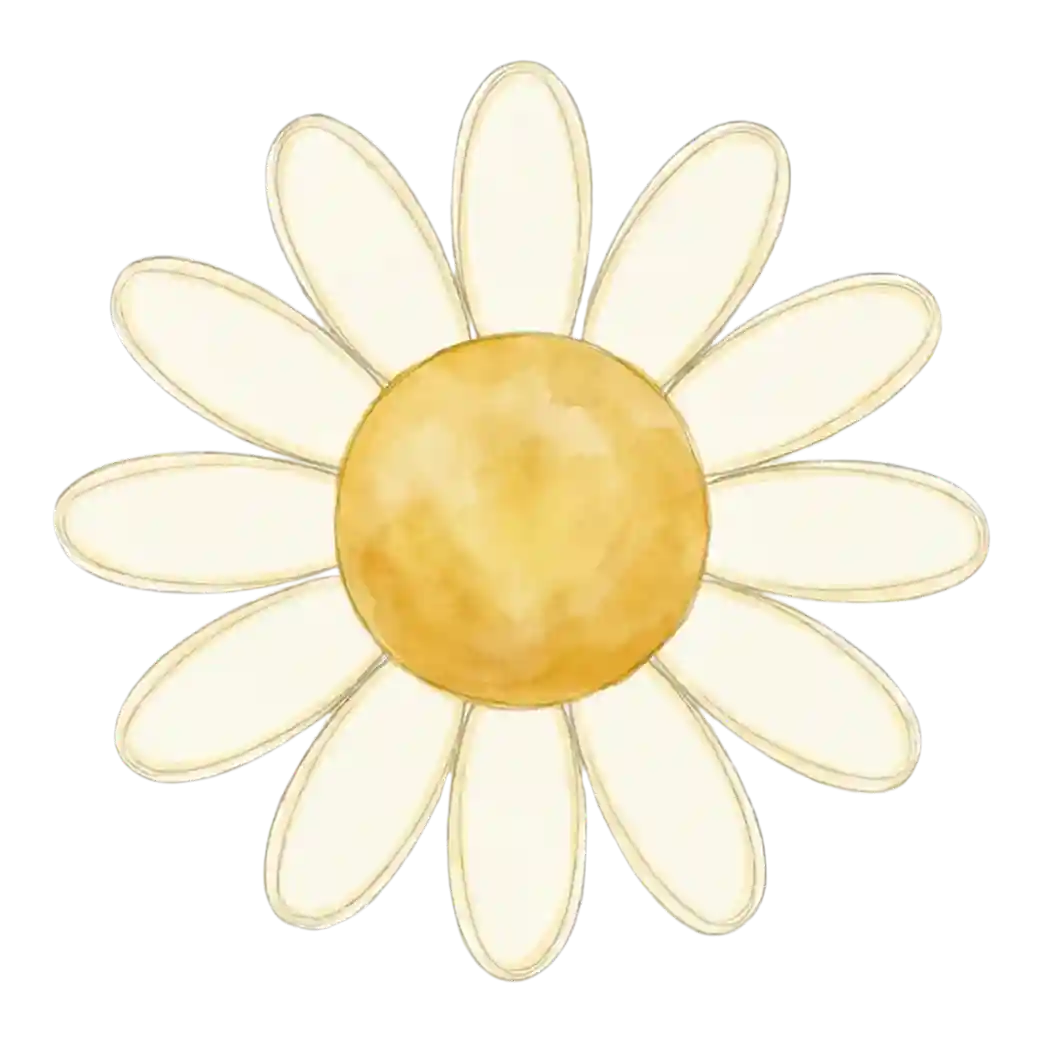
The daisy is one of the most recognizable and beloved flowers on earth. With its cheerful white petals radiating outward from a bright golden center, the daisy has been a fixture in meadows, gardens, and human culture for thousands of years. Unlike many flowers that were carefully cultivated from rare specimens, the daisy has always been a flower of the people, growing wild in fields and along roadsides, accessible to anyone who cared to pick one. This democratic beauty is part of what gives the daisy its enduring appeal. It does not demand a greenhouse or a specialist's attention. It simply grows, blooms, and brings happiness to anyone who encounters it.
The name "daisy" comes from the Old English phrase "day's eye," a reference to the flower's habit of opening its petals at dawn and closing them again at dusk. This daily rhythm connected the daisy to the sun itself in the minds of early English speakers, and the association with light, warmth, and the return of each new day has never fully faded. To this day, the daisy carries an inherent optimism, a sense that no matter how dark the night, morning will always come.
Archaeological evidence suggests that daisies were cultivated in ancient Egypt, where they were used in herbal remedies and decorative garlands. The ancient Romans gathered wild daisies for their surgeons, who would soak bandages in daisy juice to treat wounds inflicted on the battlefield. The Latin name for the common daisy, Bellis perennis, is thought to derive from "bellum," the Latin word for war, reflecting this medicinal connection. Others believe it comes from "bellus," meaning pretty, which is perhaps the more fitting etymology for a flower so universally admired for its charm.
Innocence, Purity, and Childhood
The daisy's most enduring symbolic association is with innocence. Across cultures and centuries, the daisy has been linked to the pure, unspoiled joy of childhood. In medieval art, the daisy frequently appeared in paintings of the Virgin Mary and the Christ child, representing spiritual purity and the innocence of youth. The flower's simple form, with its clean white petals and sunny center, seemed to embody a kind of goodness that was uncomplicated and true.
This connection to childhood is reinforced by the universal experience of picking daisies as a young child. Nearly everyone who grew up near a meadow or a park has a memory of gathering daisies, plucking their petals one by one in the classic game of "loves me, loves me not," or weaving them into crowns and chains. The daisy is often the first flower a child learns to identify and the first one they pick to give to a parent or a friend. These early encounters create a lifelong emotional bond between people and daisies, a sense of warmth and nostalgia that transcends cultural boundaries.
Beyond childhood innocence, the daisy also symbolizes purity of intention and sincerity. Giving someone daisies says that your feelings are genuine and uncomplicated. There is no hidden agenda, no elaborate gesture designed to impress. A bouquet of daisies communicates honest affection, straightforward caring, and the kind of love that does not need to dress itself up in extravagance to be real.
The Art of the Daisy Chain
Few floral traditions are as charming and widespread as the daisy chain. The practice of threading daisy stems together to create garlands, necklaces, bracelets, and crowns dates back centuries and has been a beloved pastime for children and adults alike in cultures across Europe and beyond.
Making a daisy chain is beautifully simple. You use a thumbnail or a small tool to slit the stem of one daisy, then thread the stem of the next daisy through the opening, repeating the process until you have a chain of whatever length you desire. The result is a delicate, living piece of jewelry that captures the essence of a warm afternoon spent outdoors. Daisy chains have appeared in literature and art as symbols of leisure, innocence, and the simple pleasures of life. In Shakespeare's Hamlet, Ophelia distributes flowers including daisies, each carrying its own symbolic weight in the unfolding tragedy.
In the 1960s and 1970s, daisy chains took on new cultural significance as symbols of the peace and flower power movements. Protesters wore garlands of daisies as visible statements of their commitment to nonviolence and love. The image of a daisy placed in the barrel of a rifle became one of the most iconic photographs of the era, encapsulating the idea that gentleness and beauty could stand as powerful counterpoints to aggression and conflict. The daisy chain, in this context, became more than a craft project. It became a symbol of hope and resistance.
Types of Daisies
The word "daisy" actually refers to a large family of flowers, and the diversity within this group is remarkable. Understanding the different types of daisies can help you appreciate the full range of beauty this flower family offers.
Common Daisy (Bellis perennis)
The classic daisy that most people picture first. Small, with white petals and a yellow center, it grows wild across Europe and has been naturalized in lawns and meadows worldwide. Despite its modest size, the common daisy is incredibly hardy and can thrive in conditions that would defeat more delicate flowers.
Shasta Daisy (Leucanthemum x superbum)
Developed by American horticulturist Luther Burbank in the early twentieth century, the Shasta daisy is larger and more robust than its wild cousin. Named after Mount Shasta in California, this variety features larger white petals and a prominent yellow disk. Shasta daisies are a staple of cottage gardens and perennial borders, prized for their long blooming season and their ability to attract butterflies and pollinators.
Gerbera Daisy (Gerbera jamesonii)
Originating in South Africa, the Gerbera daisy is the showstopper of the daisy family. Available in a stunning range of colors including red, orange, yellow, pink, and white, Gerberas have large, dramatic blooms that make them one of the most popular cut flowers in the world. They rank among the top five most commercially grown flowers globally and are a favorite for cheerful, modern floral arrangements.
African Daisy (Osteospermum)
These striking flowers feature unique spoon-shaped petals in shades of purple, blue, pink, and white. Native to southern Africa, they thrive in warm, sunny conditions and have become increasingly popular in gardens and container plantings around the world for their unusual beauty and drought tolerance.
Oxeye Daisy (Leucanthemum vulgare)
Taller and more robust than the common daisy, the oxeye daisy is a wildflower found across Europe and North America. It grows in fields, along roads, and in disturbed ground, often forming dense colonies of white and gold that create breathtaking displays in early summer.
Cultural Significance Around the World
The daisy appears in the mythology and folklore of numerous cultures. In Norse mythology, the daisy was sacred to Freya, the goddess of love, beauty, and fertility. The flower was associated with childbirth, motherhood, and new beginnings, and it was considered a good omen to see daisies blooming near one's home.
In Celtic legend, the spirits of children who died in infancy would scatter daisies across the earth to comfort grieving parents. This poignant story reinforced the daisy's association with innocence and the purity of young souls. It also gave the flower a consoling quality, suggesting that even in grief, beauty and hope could be found.
In Christian tradition, the daisy became associated with the Virgin Mary and was sometimes called "Mary's Star." The flower's humble beauty and resilience were seen as reflections of Mary's own virtues, and daisies were frequently included in religious art and church decorations throughout medieval Europe.
In modern Western culture, the daisy remains one of the most popular flowers for expressing cheerfulness, friendship, and new beginnings. April's birth flower is the daisy, making it a natural gift choice for anyone born in that month. The fifth wedding anniversary is also traditionally associated with daisies, celebrating five years of faithful, joyful partnership.
When to Send Daisies
Daisies are wonderfully versatile and appropriate for a wide range of occasions. Their cheerful, unpretentious nature makes them ideal for birthdays, particularly for friends and family members who appreciate sincerity over extravagance. They are perfect for welcoming a new baby, celebrating a new home, or congratulating someone on a fresh start in life. If you want to brighten someone's day without any romantic pressure, daisies are an excellent choice. They communicate caring, friendship, and genuine happiness without the weight of more intense floral symbolism.
Daisies also work beautifully in get-well-soon arrangements. Their sunny disposition and association with healing, stretching all the way back to the Roman battlefield surgeons, make them a comforting and uplifting choice for someone who is recovering from illness or surgery. Mixed with other cheerful blooms like sunflowers or yellow tulips, daisies can create an arrangement that radiates warmth and positive energy.
For romantic occasions, Gerbera daisies in bold reds and pinks can convey passion and admiration, while softer white and pastel varieties carry a message of tender, devoted love. The daisy's association with loyalty and faithful affection makes it a meaningful choice for anniversaries and other celebrations of enduring partnership.
Fun Facts About Daisies
- Daisies belong to the Asteraceae family, the second largest family of flowering plants on earth with over 32,000 known species.
- What appears to be a single daisy flower is actually a composite of two types of flowers: the white ray florets around the edge and hundreds of tiny yellow disc florets packed tightly in the center.
- Daisy leaves are edible and have a mild, slightly bitter flavor. They have been used in salads and herbal teas for centuries across Europe.
- Daisies grow on every continent except Antarctica, making them one of the most widespread flowering plants on the planet.
- The common daisy can close its petals during rain to protect its pollen, then reopen once the skies clear, a behavior that earned it the folk name "thunder flower" in some regions.
- In traditional herbal medicine, daisies were used to treat coughs, bronchitis, and inflammation. The plant contains compounds with documented anti-inflammatory and mild analgesic properties.
- A single daisy plant can produce up to 26,000 seeds in a single season, which helps explain why daisies can colonize new areas so rapidly and persistently.
The Daisy in Your Digital Bouquet
At DigiBouquet, we love the daisy for its radiant simplicity and its ability to make anyone smile. When you add a daisy to your digital bouquet, you are sending a message of pure, honest joy. You are telling someone that they brighten your world the way a field of daisies brightens a spring morning. Whether you pair daisies with roses for a romantic touch, with sunflowers for a burst of energy, or let them stand on their own as a cheerful statement of friendship, you are tapping into a tradition that stretches back to the earliest days of human civilization. The daisy may be a simple flower, but its power to uplift, comfort, and connect people is anything but ordinary.
Add Daisies to Your Bouquet
Create a beautiful digital bouquet featuring daisies and share it with someone special.
Create Your Bouquet