Why the Rose Stands Above All Other Flowers
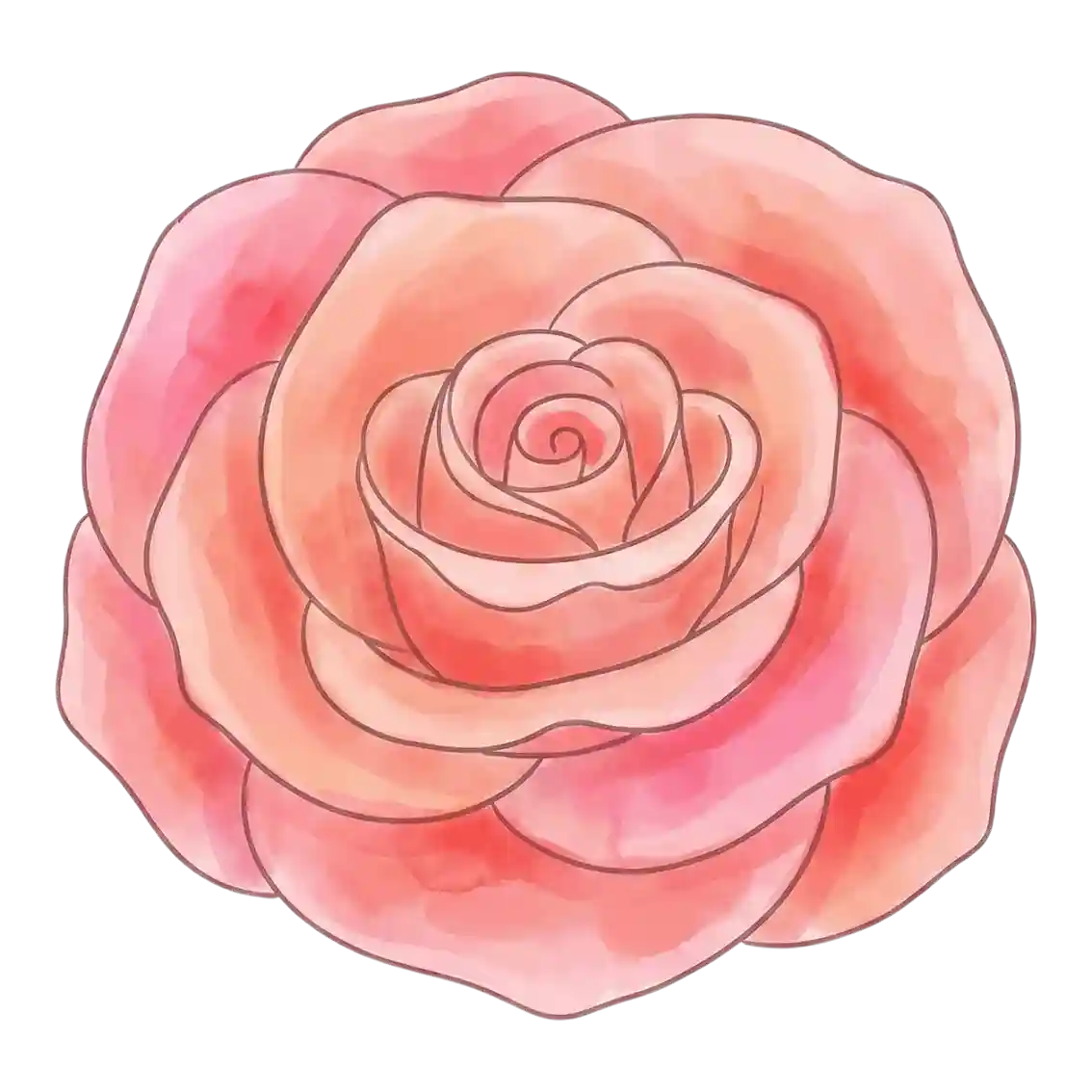
No flower in history has captured the human imagination quite like the rose. It appears in ancient poetry and modern greeting cards alike, adorns royal gardens and humble windowsills, and carries a depth of meaning that few other blooms can match. Whether handed to a loved one on a first date or placed gently on a gravestone in remembrance, the rose speaks a universal language that transcends borders, generations, and words themselves. Understanding the rich story behind this extraordinary flower can transform the way you think about giving and receiving it.
The Ancient Origins of the Rose
Roses belong to the genus Rosa, a group within the family Rosaceae that includes over three hundred recognized species and tens of thousands of cultivated varieties. Fossil evidence suggests that wild roses flourished across the Northern Hemisphere as far back as thirty-five million years ago, long before humans walked the earth. The earliest deliberate cultivation of roses is believed to have begun in China roughly five thousand years ago, where garden roses were prized for their fragrance and ornamental beauty.
From China, rose cultivation spread westward along ancient trade routes. The Persians grew roses extensively, extracting precious rose water and rose oil that became cornerstones of their perfumery and medicine. The Greeks associated the rose with Aphrodite, the goddess of love, and legend held that the flower sprang from the ground where she walked. Romans took this admiration even further, showering banquet halls with rose petals, bathing in rose-scented water, and wearing garlands of roses during celebrations. The phrase sub rosa, meaning "under the rose," originated in Roman times and referred to conversations held in strict confidence, because a rose hung above a meeting table signaled that everything said beneath it was secret.
During the Middle Ages, roses found a home in European monastery gardens, cultivated by monks who valued their medicinal properties. The flower later became entwined with English history during the Wars of the Roses in the fifteenth century, when the House of Lancaster (symbolized by a red rose) and the House of York (symbolized by a white rose) battled for control of the throne. The eventual Tudor rose, combining red and white petals, became a lasting emblem of unity and reconciliation.
The Language of Rose Colors
One of the most fascinating aspects of the rose is that its meaning shifts dramatically with color. During the Victorian era, when open expressions of emotion were considered improper, an elaborate "language of flowers" called floriography allowed people to communicate feelings through carefully chosen blooms. Roses were central to this silent vocabulary, and many of those color associations persist to this day.
Red Roses: Passion and Romantic Love
The red rose is the quintessential symbol of deep romantic love and desire. A single red rose can say what a thousand words cannot, making it the most popular choice for anniversaries, proposals, and declarations of devotion. Darker shades of red, such as burgundy or crimson, often suggest a love that is mature and deeply rooted, while bright scarlet may hint at newer, more fiery passion.
White Roses: Purity and New Beginnings
White roses represent innocence, purity, and reverence. They are a staple in wedding bouquets, where they signify the fresh start of a shared life. White roses also carry a sense of remembrance and honor, making them a thoughtful choice for memorial arrangements or moments of quiet reflection.
Pink Roses: Grace, Gratitude, and Admiration
Pink roses occupy a gentle space between the intensity of red and the simplicity of white. Light pink blooms express admiration, sweetness, and joy, while deeper pink shades convey gratitude and appreciation. A bouquet of pink roses is a graceful way to say "thank you" or to celebrate a friendship that holds a special place in your heart.
Yellow Roses: Friendship and Warmth
Once associated with jealousy in Victorian times, yellow roses have undergone a complete transformation in meaning. Today they radiate warmth, cheerfulness, and platonic affection. Sending yellow roses to a friend communicates caring and celebration without romantic undertones, making them ideal for birthdays, congratulations, or simply brightening someone's day.
Orange Roses: Enthusiasm and Excitement
Orange roses burst with energy and enthusiasm. They convey fascination, desire, and a sense of vibrant excitement. If you want to tell someone that they fill your life with zest and wonder, an arrangement of orange roses delivers that message with unmistakable flair.
Lavender Roses: Enchantment and Mystery
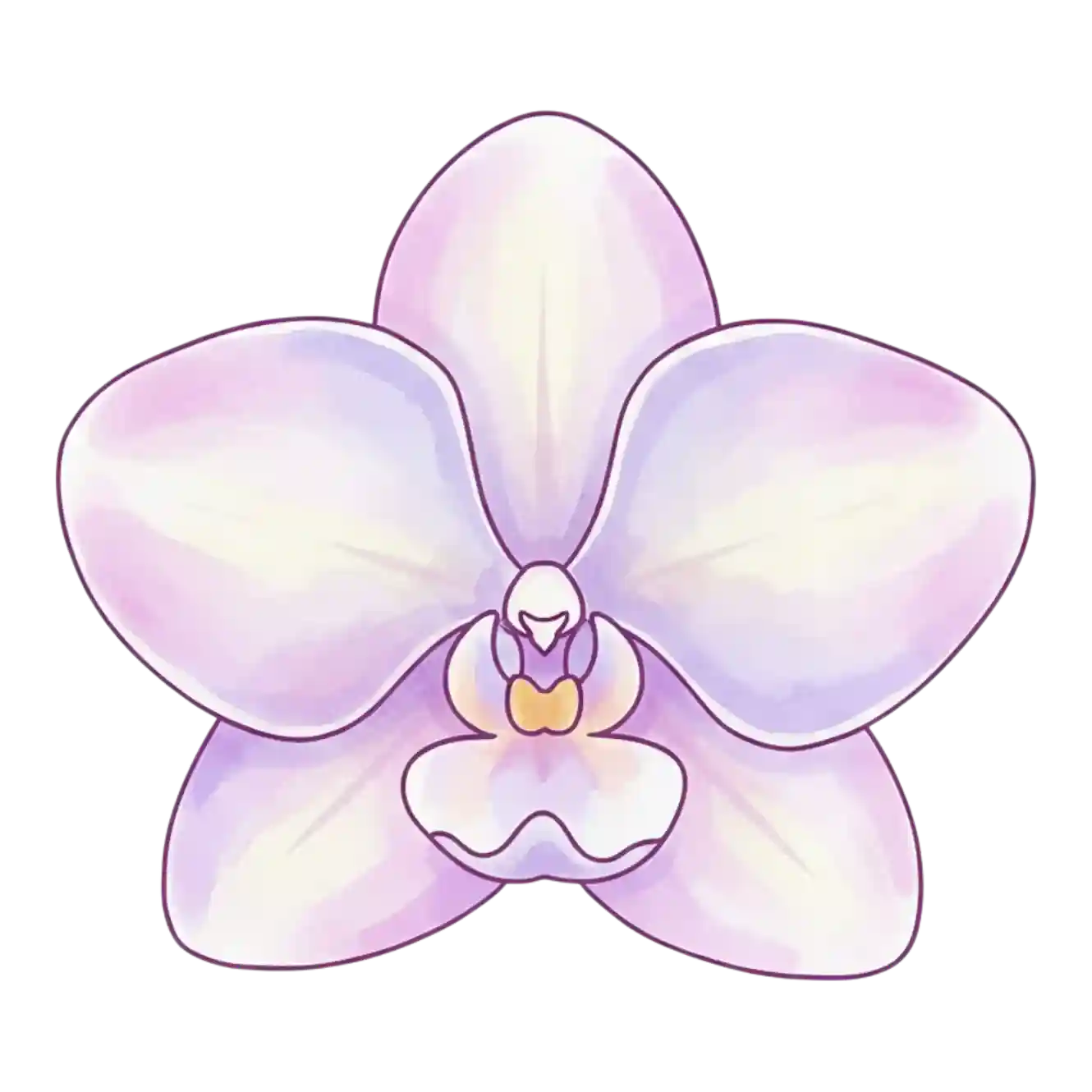
Lavender and purple roses suggest enchantment, wonder, and love at first sight. Their unusual hue sets them apart from more common varieties, lending an air of mystery and individuality. They are a thoughtful pick for someone who marches to the beat of their own drum or who has recently captivated your attention in an unexpected way.
Roses Across Cultures and Traditions
The rose holds symbolic weight in virtually every major culture around the world. In Islam, the rose is often linked to the Prophet Muhammad and is regarded as a symbol of paradise and divine beauty. Persian literature is filled with references to the gol (rose) and the bolbol (nightingale), a poetic pairing that represents the longing between lover and beloved.
In Hindu tradition, the goddess Lakshmi, who embodies wealth and beauty, is said to have been created from a rose composed of one thousand and eight large petals and one hundred and eight small ones. Roses appear frequently in Indian weddings, festivals, and religious offerings, linking the flower to devotion and celebration.
Japanese culture, while more commonly associated with cherry blossoms, embraces the rose as a symbol of balance. The thorns and petals together represent the harmony of pain and beauty, a concept deeply resonant in Japanese aesthetics. Meanwhile, in many Latin American countries, roses play a central role in the celebration of the Day of the Dead, where they honor ancestors and symbolize the enduring bond between the living and those who have passed on.
When to Give Roses
Because of their versatile symbolism, roses fit almost any occasion. Here are some of the most meaningful moments to share them:
- Romantic milestones: Anniversaries, proposals, and first dates are natural settings for red or deep pink roses that communicate love and devotion.
- Birthdays: A bouquet in the recipient's favorite color adds a personalized touch to birthday celebrations.
- Expressions of gratitude: Pink roses offer an elegant way to thank a mentor, colleague, or friend who has made a meaningful difference in your life.
- Sympathy and remembrance: White or pale-colored roses provide comfort and convey respect during times of loss.
- Celebrations of achievement: Yellow or orange roses can mark graduations, promotions, or personal victories with warmth and pride.
- Just because: Sometimes the most powerful gesture is an unexpected one. Sending roses without a specific occasion shows someone that they are on your mind and valued every day.
Quick Rose Facts
- There are over 30,000 cultivated varieties of roses worldwide.
- The oldest living rose bush, located at the Cathedral of Hildesheim in Germany, is estimated to be over 1,000 years old.
- It takes roughly 60,000 roses to produce a single ounce of rose oil, one of the most expensive essential oils on the planet.
- Rose hips, the fruit of the rose plant, contain more vitamin C per gram than most citrus fruits.
- The world's smallest rose variety, called "Si," produces blooms no larger than a grain of rice.
- Ecuador and Colombia are among the largest rose-exporting countries, thanks to their high-altitude equatorial climates.
- Cleopatra reportedly filled an entire room knee-deep in rose petals to impress Mark Antony.
Roses in Art, Literature, and Popular Culture
Few flowers have inspired as much creative work as the rose. William Shakespeare referenced roses in numerous plays and sonnets, weaving them into metaphors about beauty and the passage of time. The French novella The Little Prince by Antoine de Saint-Exupery features a single beloved rose that teaches the young prince about love, responsibility, and the meaning of connection. In modern film and music, roses continue to serve as shorthand for romance, longing, and emotional depth.
Visual artists from the Dutch Golden Age to contemporary photographers have been drawn to the rose's layered petals, finding in them an endless study of light, shadow, and natural geometry. The flower's form has influenced architecture, textile design, and even mathematics, where the concept of a "rose curve" describes a sinusoid plotted in polar coordinates that traces petal-like loops.
Why Roses Shine in a Digital Bouquet
A digital bouquet offers a modern way to carry on the ancient tradition of giving roses. Unlike fresh-cut flowers, a digital rose never wilts, making it a lasting keepsake that the recipient can revisit whenever they need a reminder of your affection. Digital bouquets also remove the barriers of distance and timing. Whether the person you care about lives across the street or across the ocean, you can deliver a rose arrangement instantly, paired with a heartfelt personal message.
Roses pair beautifully with nearly every other flower in a digital arrangement. Combine red roses with white lilies for a classic look of elegance, mix pink roses with peonies for a soft and romantic palette, or contrast yellow roses with bold orchids for something vibrant and unexpected. The flexibility of a digital bouquet means you can experiment freely, creating a one-of-a-kind composition that reflects exactly what you want to say.
"A rose speaks of love silently, in a language known only to the heart." — Unknown
Whether you choose a single stem or a lavish arrangement, the rose carries centuries of meaning in every petal. It is a flower that honors the past while remaining perfectly suited to the present. Adding roses to your next digital bouquet is more than a decorative choice; it is a way of participating in one of humanity's oldest and most beautiful traditions of expressing care, admiration, and love.