A Flower with Ancient Roots
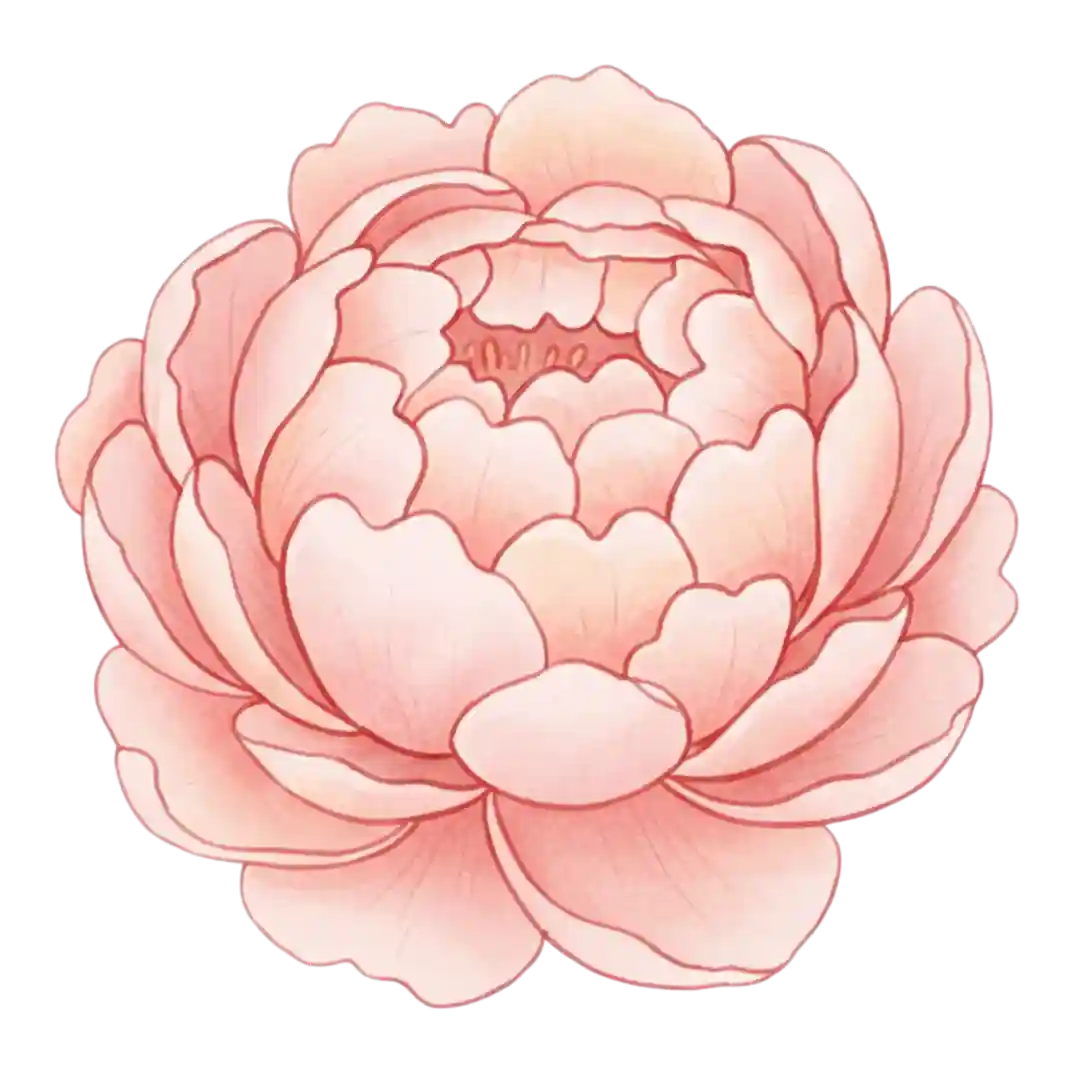
The peony is one of the oldest cultivated flowers in the world. Its history stretches back more than 4,000 years, with origins firmly rooted in the gardens and medicinal traditions of ancient China. Named after Paeon, the physician of the Greek gods who was said to have used the flower to heal wounds inflicted during the Trojan War, the peony carries a legacy that bridges Eastern and Western civilizations. According to Greek mythology, Paeon was so skilled that he drew the jealousy of his teacher, Asclepius, the god of medicine. To save Paeon from his mentor's wrath, Zeus transformed him into the beautiful flower that now bears his name.
In China, the peony has been revered as the "King of Flowers" for millennia. Emperors of the Tang Dynasty prized peonies above all other blooms, planting them extensively in the imperial gardens of Luoyang, a city that still celebrates an annual peony festival to this day. Chinese artists and poets have depicted peonies in countless scrolls, paintings, and verses, always returning to the flower as a symbol of wealth, nobility, and the highest aspirations of human character.
Symbolism in Chinese Culture
In Chinese tradition, the peony holds a place of deep cultural significance that few other flowers can rival. It is widely regarded as a symbol of prosperity, honor, and high social standing. During the Tang Dynasty, the peony was designated the national flower, and it was common for wealthy families to display elaborate peony arrangements as a sign of their status and refined taste. The flower appears frequently in Chinese art, embroidery, and porcelain, where it often represents feminine beauty and grace.
Beyond wealth and status, the peony is also associated with romance and affection in Chinese culture. A blooming peony signifies a happy marriage and deep love between partners. In traditional Chinese weddings, peonies are used as decorative motifs on everything from the bride's dress to the wedding invitations, symbolizing the wish for a harmonious and prosperous union. The phrase "flowers blooming brings wealth" is a common blessing in Chinese households, and the peony is the flower most often associated with this sentiment.
Symbolism in Japanese Culture
The peony holds an equally distinguished position in Japanese culture, though its symbolism carries a slightly different emphasis. Known as "botan" in Japanese, the peony represents bravery, honor, and good fortune. It is frequently associated with the samurai class and appears in traditional Japanese tattoo art as a symbol of courage and a willingness to take risks for a noble cause. The bold, layered petals of the peony are said to mirror the fearless spirit of the warrior.
In Japanese gardens, peonies are cultivated with great care and dedication. The Sukagawa Peony Garden in Fukushima Prefecture, for example, is home to thousands of peony bushes and draws visitors from across the country each spring. The Japanese appreciation of peonies also extends to the culinary world, where the flower lends its name to a style of sliced wild boar meat arranged to resemble peony petals, a traditional winter dish known as "botan nabe."
Symbolism in Western Culture
In Western traditions, the peony is most closely linked to romance, compassion, and bashfulness. Victorian-era flower dictionaries, known as floriographies, assigned the peony the meaning of bashfulness, perhaps inspired by an old folk tale that nymphs would hide among the lush petals of peonies. Over time, the romantic associations of the flower have become dominant, and today peonies are among the most sought-after blooms for weddings and romantic occasions throughout Europe and North America.
Peonies were introduced to European gardens in the early 1800s and quickly became favorites among gardeners and horticulturalists. Their large, ruffled blooms and intoxicating fragrance made them a staple in cottage gardens and formal estates alike. In the language of flowers, giving someone a bouquet of peonies conveys a message of sincere affection, good wishes, and the hope for a happy life together. The peony is also the traditional flower for 12th wedding anniversaries, making it a meaningful gift for couples celebrating over a decade of partnership.
The Meaning Behind Peony Colors
Like many beloved flowers, peonies come in a range of colors, and each shade carries its own distinct meaning. Understanding these color associations can help you choose the perfect peony arrangement for any occasion.
Pink Peonies
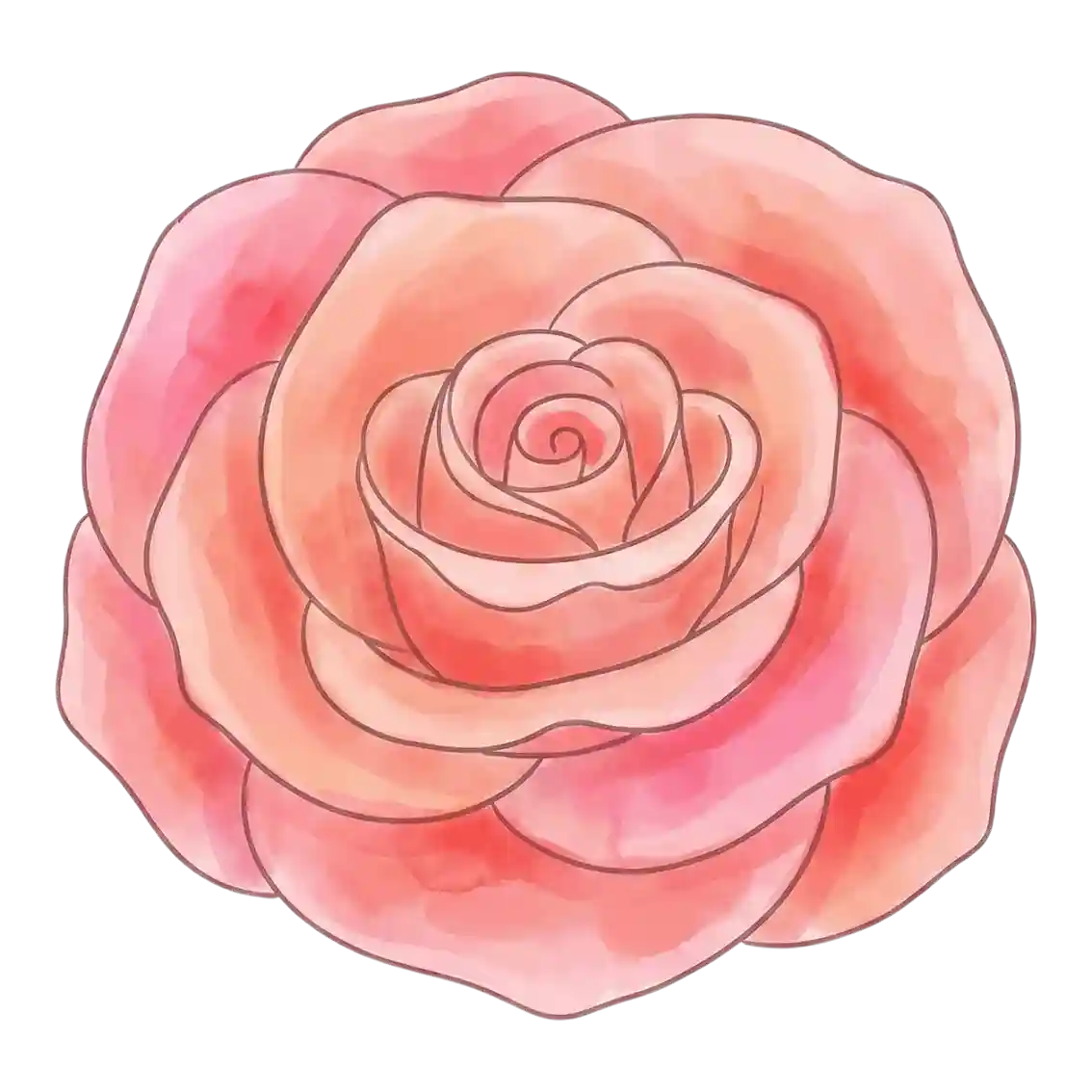
Pink is the most classic and popular peony color. Pink peonies symbolize romance, love, good luck, and prosperity. They are the go-to choice for weddings and are often used in bridal bouquets to represent the blossoming of a new love story. Light pink peonies convey grace and joy, while deeper pink shades speak to gratitude and appreciation.
White Peonies
White peonies represent purity, elegance, and new beginnings. They are a popular choice for weddings and are also used to express sympathy and remembrance. A bouquet of white peonies conveys respect and honor, making them appropriate for formal occasions and tributes.
Red Peonies
Red peonies carry the most passionate symbolism. They represent deep love, devotion, honor, and respect. In Chinese culture, red peonies are considered the most auspicious color, symbolizing wealth and good fortune. They are a bold and romantic choice for anniversary celebrations and declarations of love.
Yellow Peonies
Yellow peonies are associated with fresh starts, happiness, and positive energy. They make wonderful gifts for friends or for celebrating new chapters in life, such as a new job, a new home, or a personal achievement. Their sunny disposition brings warmth and optimism to any arrangement.
Purple Peonies
Purple peonies are among the rarest varieties and symbolize royalty, dignity, and enchantment. They carry an air of mystery and sophistication, making them a thoughtful choice for someone you hold in high esteem or admire deeply.
Peonies and Weddings
Few flowers have as strong a connection to weddings as the peony. Their lush, full blooms create a sense of abundance and celebration, and their romantic symbolism makes them a natural fit for ceremonies and receptions. Peonies are one of the most requested flowers by brides around the world, and their popularity shows no signs of fading.
Bridal bouquets featuring peonies are prized for their soft, romantic appearance. The ruffled layers of petals add volume and texture to arrangements, and peonies pair beautifully with roses, ranunculus, and garden greenery. Beyond the bouquet, peonies are used in centerpieces, aisle decorations, flower crowns, and cake toppers. Their delicate fragrance adds another sensory layer to the wedding experience, creating an atmosphere of elegance and warmth.
In many cultures, incorporating peonies into a wedding is believed to bring the couple good fortune, a happy marriage, and lasting prosperity. This deep-rooted belief, combined with the flower's undeniable beauty, ensures that peonies remain a cornerstone of wedding floral design across the globe.
When to Send Peonies
Peonies are a versatile gift that suits a wide variety of occasions. Here are some of the best moments to send a bouquet of peonies to someone you care about:
- Weddings and Engagements: Celebrate new love and wish the couple a prosperous future together.
- Anniversaries: Especially meaningful for 12th wedding anniversaries, though perfect for any year.
- Birthdays: A gorgeous way to show someone they are cherished and valued.
- Mother's Day: Express gratitude and love with a flower that represents warmth and devotion.
- Congratulations: Mark achievements, promotions, or new beginnings with the flower of prosperity.
- Get Well Soon: Send wishes for a swift recovery, drawing on the peony's ancient medicinal heritage.
- Just Because: Sometimes the best reason to send flowers is no reason at all. Peonies brighten any day.
Fun Facts About Peonies
- Peonies can live for over 100 years when properly cared for, with some plants in gardens today dating back multiple generations.
- There are roughly 33 known species of peonies, but thousands of cultivated varieties (cultivars) have been developed by horticulturalists over the centuries.
- Ants are often found on peony buds. They are attracted to the sugary nectar on the outside of the buds and do not harm the plant at all.
- The peony is the state flower of Indiana in the United States, a designation it has held since 1957.
- Peony roots, seeds, and petals have been used in traditional Chinese medicine for more than 1,500 years to treat a range of ailments.
- A single peony plant can produce dozens of blooms each season, and their peak flowering period lasts about 7 to 10 days.
- The world's largest peony festival is held annually in Luoyang, China, attracting millions of visitors who come to admire over 1,000 varieties in bloom.
- Peonies are one of the last major flowers of spring, typically blooming from late April through June depending on the climate.