The Sacred Flower of the East
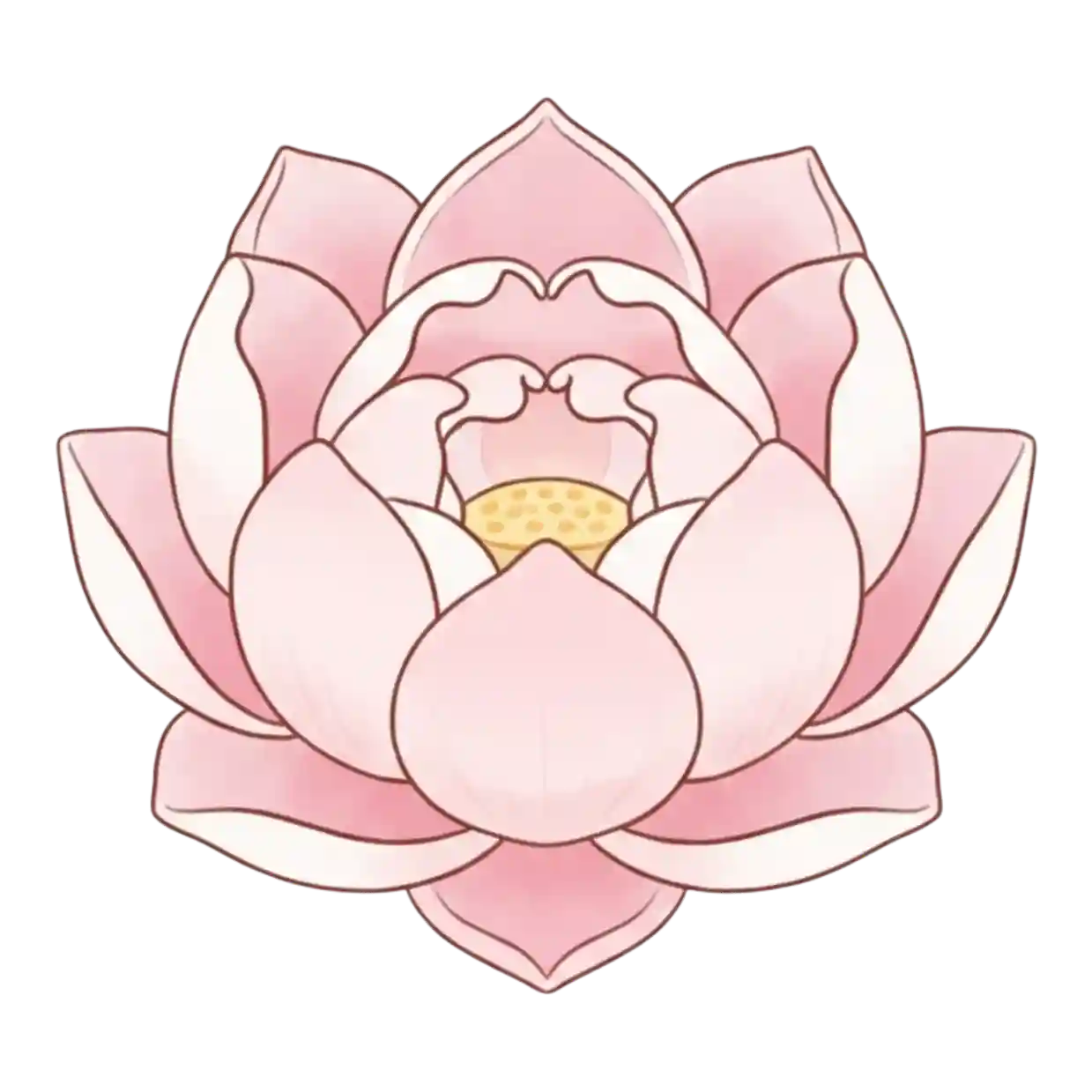
No flower in the world carries as much spiritual weight as the lotus. Across thousands of years and multiple civilizations, the lotus has served as a universal symbol of enlightenment, divine beauty, and the capacity of the human spirit to transcend suffering. From the temple pools of ancient India to the sacred gardens of China and the mythological waters of Egypt, the lotus appears again and again as a flower that bridges the earthly and the divine. Its significance is so deeply woven into the fabric of Eastern spirituality that it is impossible to separate the flower from the philosophies it represents.
What makes the lotus truly extraordinary is not just its beauty but the way it grows. The lotus plant roots itself in the thick, dark mud at the bottom of ponds and lakes. Its stem pushes upward through murky, often stagnant water, and the blossom emerges above the surface to open in pristine, unblemished splendor. Every morning, the lotus opens its petals to the sun, and every evening, it closes and retreats beneath the water, only to rise again at dawn. This daily cycle of submersion and emergence became one of the most powerful metaphors in human spiritual thought: the idea that purity, beauty, and wisdom can arise from even the darkest and most difficult conditions.
The Lotus in Buddhism
In Buddhist tradition, the lotus is arguably the most important floral symbol. The Buddha himself is frequently depicted seated upon a lotus throne, and many Buddhist teachings use the lotus as a central metaphor for the path to enlightenment. The flower represents the journey of the soul from the darkness of ignorance and suffering, represented by the mud, through the waters of experience and practice, until it finally reaches the light of awakening and blooms into full realization.
Buddhist texts describe different stages of the lotus bloom as corresponding to different stages of spiritual development. A closed lotus bud represents a person who has not yet begun the path to enlightenment. A partially opened lotus suggests someone who is actively practicing and growing in wisdom. A fully open lotus with its center exposed symbolizes complete enlightenment, a state of being in which one has transcended all worldly attachments and achieved perfect understanding. This progression from bud to full bloom mirrors the Buddhist concept of gradual awakening through disciplined practice and compassionate living.
The lotus also embodies one of Buddhism's most cherished principles: non-attachment. Despite growing in muddy water, the lotus petals remain completely clean. Water beads on the surface and rolls away without leaving any residue. This remarkable quality, which scientists now call the "lotus effect," serves as a living illustration of how an enlightened being can exist within the world of suffering without being stained or corrupted by it. The lotus teaches that it is possible to maintain inner purity and peace even while fully engaged with the challenges and imperfections of everyday existence.
The Lotus in Hinduism
Hindu tradition holds the lotus in equally high reverence, weaving it throughout the religion's mythology, art, and sacred texts. In Hinduism, the lotus is associated with several major deities. Vishnu, the preserver of the universe, is often described as having eyes shaped like lotus petals, and he is sometimes depicted holding a lotus in one of his four hands. Lakshmi, the goddess of wealth, beauty, and prosperity, is almost always shown standing or seated upon a fully bloomed pink lotus, symbolizing her grace and the abundance she bestows upon her devotees.
Brahma, the creator god, is said to have been born from a lotus that grew from the navel of Vishnu as he lay resting on the cosmic ocean. This creation myth places the lotus at the very origin of the universe, making it a symbol of divine creation and the unfolding of existence itself. Saraswati, the goddess of knowledge, music, and the arts, is also closely associated with the white lotus, which represents the purity of true wisdom and creative inspiration.
In Hindu practice, the lotus is central to meditation and yoga. The "padmasana," or lotus position, is one of the most fundamental seated postures in yoga, named directly after the flower. In this posture, the practitioner sits with crossed legs and an upright spine, mirroring the lotus rising from the water. The chakra system in Hindu and yogic philosophy also references the lotus extensively. The crown chakra, known as "sahasrara," is depicted as a thousand-petaled lotus at the top of the head, representing the highest level of spiritual consciousness and union with the divine.
Rising from the Mud: Symbolism of Resilience and Rebirth
Beyond its religious significance, the lotus has become a universal symbol of resilience, perseverance, and personal transformation. The simple fact that something so exquisitely beautiful can emerge from something as unappealing as pond mud resonates deeply with people from all walks of life and belief systems. The lotus reminds us that difficult beginnings do not determine our destiny, that hardship and struggle can be the very foundation from which our greatest strengths and most beautiful qualities grow.
This symbolism of rebirth and renewal makes the lotus particularly meaningful for people who have overcome personal challenges, whether illness, loss, addiction, or other forms of adversity. The lotus says that you are not defined by where you started or by the darkness you have passed through. Instead, you are defined by your capacity to rise, to open, and to bloom. Each new day, like the lotus that submerges each evening and resurfaces each morning, offers a fresh beginning and another opportunity to reach toward the light.
What Each Lotus Color Means
Pink Lotus: The Supreme Flower of the Buddha
The pink lotus holds the highest position in Buddhist symbolism. It is considered the true lotus of the Buddha and represents the supreme state of enlightenment. When the Buddha is depicted on a lotus throne, the lotus beneath him is almost always pink. This color carries associations of divine grace, spiritual perfection, and the living presence of sacred wisdom. Giving someone a pink lotus is a gesture of profound respect and a recognition of their spiritual depth or inner nobility.
White Lotus: Purity of Mind and Spirit
The white lotus symbolizes purity in its most absolute form. It represents a state of mental and spiritual perfection where the mind is completely clear, free of delusion, and at peace. In both Buddhism and Hinduism, the white lotus is associated with deities and beings who embody pure wisdom and transcendent knowledge. As a gift, white lotus flowers convey a message of sincere admiration for someone's integrity, clarity of purpose, and moral character.
Blue Lotus: Wisdom and Mastery of Knowledge
The blue lotus is a symbol of wisdom, intelligence, and the victory of the spirit over the senses. In Buddhist iconography, the blue lotus is often depicted as partially open, with its center hidden from view. This represents the idea that true wisdom is always growing and that there are deeper layers of understanding yet to be revealed. The blue lotus is associated with learning, scholarly achievement, and the disciplined pursuit of knowledge. It is an excellent choice for honoring teachers, mentors, and anyone whose intellectual gifts have made a meaningful impact on your life.
Red Lotus: Compassion and Love of the Heart
The red lotus represents the heart and all of its emotional dimensions: love, compassion, empathy, and the capacity to feel deeply for others. It is associated with Avalokiteshvara, the bodhisattva of compassion in Mahayana Buddhism, who chose to remain in the world to ease the suffering of all sentient beings rather than pass into nirvana. A red lotus given as a gift communicates deep emotional warmth, genuine care for another person's well-being, and a love that is rooted in compassion rather than desire alone.
The Lotus in Egyptian Mythology
The lotus was not only sacred in Asia but also held a central place in the mythology and daily life of ancient Egypt. The Egyptians revered the blue water lily, which they called the lotus, as a symbol of the sun, creation, and rebirth. According to Egyptian creation myths, the world began in darkness and watery chaos. From these primordial waters, a giant lotus emerged, and as its petals opened, the sun god Ra was revealed within, bringing light and life to the world for the first time.
This myth connected the lotus to the daily cycle of the sun. Egyptians observed that the blue lotus opened its petals at dawn and closed them at dusk, mirroring the journey of the sun across the sky. Because of this association, the lotus became linked to the afterlife and resurrection. Lotus flowers were placed in tombs and depicted on coffins and temple walls as symbols of the deceased's hoped-for rebirth into the next life. The flower was also used practically in ancient Egypt: lotus blossoms were floated in wine and used in perfumes, and the plant held a place of honor at feasts and celebrations.
When to Send Lotus Flowers
Lotus flowers carry such rich and multilayered symbolism that they are appropriate for many different occasions, each gaining a unique shade of meaning from the specific context. They are an especially powerful choice when you want to acknowledge someone's personal journey of growth or transformation. If a friend has overcome a significant challenge, completed a difficult chapter in their life, or emerged from hardship with renewed strength, a lotus is the perfect way to honor that resilience.
Lotus flowers are also fitting for spiritual or contemplative occasions. They make meaningful gifts for someone embarking on a meditation practice, completing a yoga teacher training, or celebrating a spiritual milestone. Because of their association with purity and new beginnings, lotus flowers are a beautiful option for baby showers, baptisms, or any event that celebrates the arrival of new life and fresh possibilities.
For expressions of sympathy and support, the white lotus is a gentle and deeply respectful choice. Its connection to spiritual transcendence and the cycle of rebirth offers comfort and hope during times of loss. And for romantic occasions, the red lotus adds a dimension of spiritual depth to your expression of love, saying that your feelings are not only passionate but also rooted in genuine compassion and a desire for your partner's happiness and well-being.
Fun Facts About Lotus Flowers
- Lotus seeds are among the most durable in the plant kingdom. Scientists have successfully germinated lotus seeds that were over 1,300 years old, making them the oldest viable seeds ever recorded.
- The "lotus effect" is a scientific term for the self-cleaning property of lotus leaves. Their microscopic surface structure causes water to bead up and roll off, carrying dirt and debris with it. This discovery has inspired the development of self-cleaning materials and coatings used in modern technology.
- The lotus is the national flower of both India and Vietnam, reflecting its deep cultural significance across Southeast Asia and the broader Asian continent.
- Every part of the lotus plant is edible. Lotus root is a popular ingredient in Asian cuisine, lotus seeds are used in soups and desserts, and lotus leaves are used to wrap and steam food, imparting a subtle, earthy fragrance.
- A lotus flower can regulate its own temperature, maintaining itself within a narrow range even when the surrounding air temperature fluctuates significantly. This thermoregulation ability is thought to help attract pollinating insects.
- In ancient Egyptian art, the number of lotus petals depicted often corresponded to specific numerological meanings, with the lotus sometimes shown with exactly the number of petals considered sacred to a particular deity.
- The lotus position in yoga is named "padmasana" in Sanskrit, where "padma" means lotus and "asana" means seat or posture. It is considered one of the most stable positions for prolonged meditation.
Send a Lotus Bouquet Today
Create a digital bouquet featuring sacred lotus flowers and share it with someone who inspires you.
Create Your Bouquet