What a camellia actually is
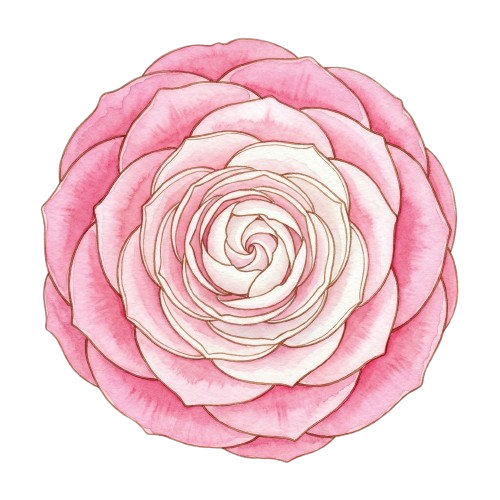
Camellias are evergreen shrubs and small trees in the tea family. Their leaves are typically glossy and their flowers can be single, semi-double, or densely layered. Cultivated camellias cover white, pink, red, and patterned forms, and many flower from autumn through spring depending on species, cultivar, and climate. Those are botanical and horticultural traits, not hidden messages.
The genus is native to parts of Asia. It also includes Camellia sinensis, the plant used to produce tea, although an ornamental camellia illustration should not be treated as a picture of the tea plant. The Royal Horticultural Society and NC State Extension both describe a large cultivated range, so there is no single petal shape that represents every camellia.
What camellia means in this guide
Flower meanings vary by period, place, family, and recipient. DigiBouquet therefore uses meaning as an editorial design cue rather than a factual dictionary. In our builder, camellia reads as composed and steady because the flower has an orderly silhouette and sits comfortably beside softer or more expressive shapes.
That makes it useful when the note is about consistent care: thanking a mentor, acknowledging a long friendship, marking a quiet anniversary, or reminding a partner that affection is present in ordinary life. The meaning comes from the full composition and the words on the card. A recipient who associates camellias with a garden, a relative, or a local tradition may read it differently, and that personal association should take priority.
How color changes the tone
Color changes emphasis, but it does not guarantee a particular interpretation:
- Red makes the camellia more emotionally direct and works best when affection is already understood.
- Pink feels warmer and less formal, which suits gratitude, friendship, and gentle romantic notes.
- White creates the most restrained result. It can support a calm message, but an all-white arrangement may feel ceremonial or somber to some recipients.
Use these as visual choices, not claims about what a culture or relationship must believe. If ambiguity matters, name the intention in the message instead of asking the flower color to carry it.
A builder-tested camellia bouquet
The example on this page uses three flowers available in the live builder: camellia, rose, and lily. Camellia supplies the structured center, rose adds a rounder and more familiar form, and lily opens the outline so the result does not become visually dense.
Choose the Classic Cream card template. Its neutral surface matches the measured tone and leaves enough contrast for the note:
I wanted this to feel steady more than dramatic. You matter to me in the long, consistent way that shapes everyday life.
This wording says what the composition is intended to communicate. It does not depend on the recipient knowing any flower-language convention.
When camellia is a good fit
Use camellia when you want the bouquet to feel intentional without becoming showy. It works especially well for mature affection, professional gratitude, quiet congratulations, or a relationship in which consistency matters more than surprise.
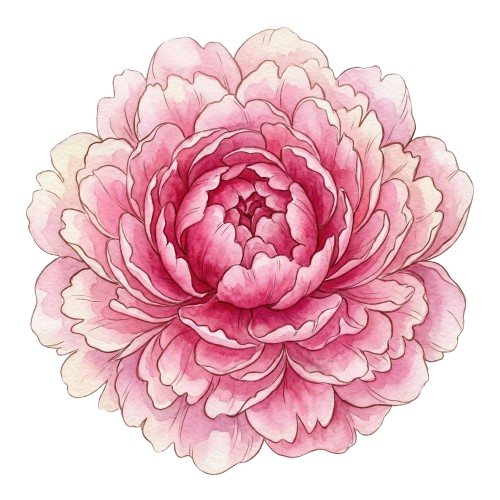
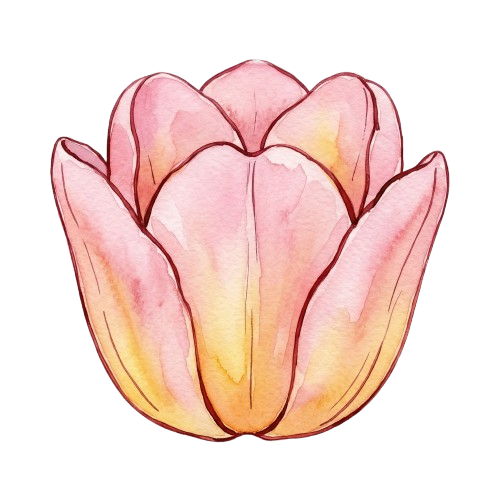
Choose something livelier when the occasion calls for obvious energy. Tulip, daisy, and peony create a faster, more playful rhythm. For an apology, the flowers are secondary: use direct language, accept responsibility, and do not let the bouquet stand in for a needed conversation.
Check the recipient, not a meaning chart
Before sending, ask three practical questions: Does the recipient like restrained designs? Could red or white carry an unintended association for them? Does the note make the relationship clear? Those answers are more reliable than any universal list of flower meanings.
Loyal care in a grounded bouquet
Best for mature affection, loyal gratitude, and close relationships built on steadiness.

I wanted this to feel steady more than dramatic. You matter to me in the long, consistent way that shapes everyday life.
DigiBouquetCard template: Classic Cream
I wanted this to feel steady more than dramatic. You matter to me in the long, consistent way that shapes everyday life.
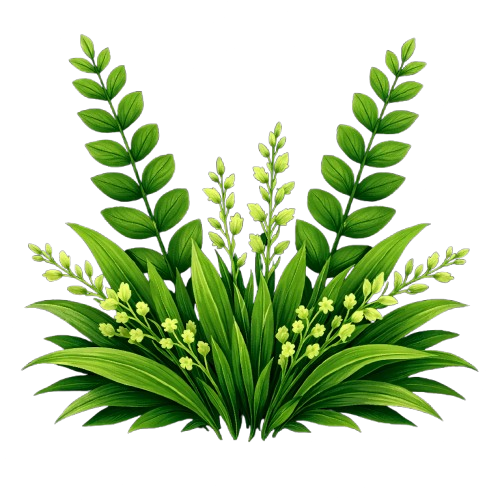
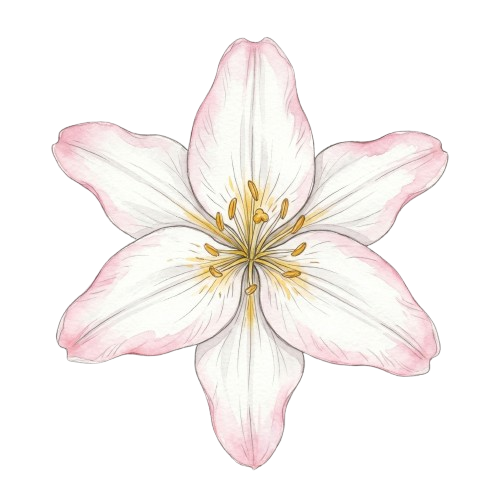
Camellia anchors the composition, rose makes the affection clear, and lily gives the arrangement visual space.
Inspect this bouquetThe message could land the wrong way
- You need a high-energy celebratory bouquet.
- The recipient would read a restrained bouquet as too formal for the moment.
References and what they support
- CamelliaRoyal Horticultural Society
Camellia flower forms, colors, evergreen habit, seasonality, and horticultural characteristics.
- CamelliaNC State Extension
Botanical characteristics, native range, common landscape uses, and cultivated forms.
Copyright and usage notice
The flower, petal, greenery, and bouquet arrangement visuals shown here are part of the DigiBouquet service experience.
You may display these visuals through bouquets created with DigiBouquet, but you may not extract, redistribute, train on, or reuse them outside the service without permission from the applicable rights holder. Read the Terms of Service or email support@digibouquet.net.
Create with Camellias
Build a bouquet that feels mature, grounded, and quietly affectionate.