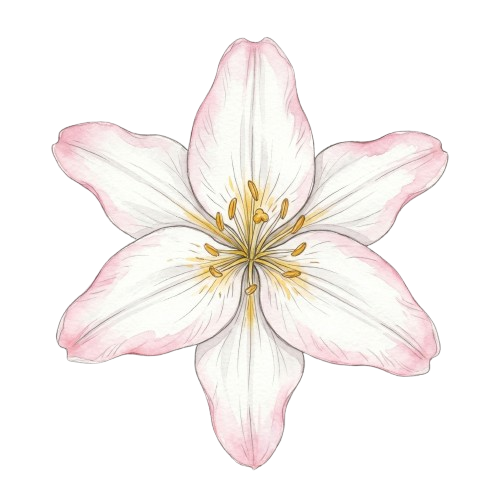

What a tulip is
Tulips belong to the bulb-forming genus Tulipa. Their upright stems and cup-shaped flowers are available in a wide range of cultivated colors and forms. NC State Extension documents the genus's botanical characteristics, seasonal growth, garden use, and native range across parts of Europe, North Africa, and temperate Asia.
The DigiBouquet tulip simplifies those characteristics into a clear vertical silhouette. It should not be presented as a named cultivar, and its on-screen availability should not be confused with the seasonal availability of physical cut tulips.
What tulip means in this guide
DigiBouquet uses tulip as an editorial cue for freshness and forward movement. The flower's upright shape gives a bouquet height without the visual weight of a densely layered peony or rose. That makes it useful for birthdays, congratulations, friendship, a new job, or an everyday message that should be easy to receive.
This is a design interpretation, not a universal flower-language rule. Historical meanings and current color conventions differ, and a recipient may have a personal association that overrides both. The note should tell them why you chose to send the bouquet.
Color changes energy
Tulip colors can guide the palette without claiming a guaranteed message:
- Yellow creates a bright, high-energy result.
- Pink feels warm and works across friendship, family, and romance when the note is clear.
- Red increases romantic intensity and should be used deliberately.
- White makes the arrangement more restrained and can suit a minimal design.
- Purple adds contrast and a more polished tone.
No color is "universally recognized" as one emotion. When the relationship could be misunderstood, use direct words rather than relying on a color code.
A builder-tested tulip bouquet
The example combines tulip, daisy, and peony. Tulip provides height, daisy keeps the arrangement open and friendly, and peony supplies enough volume for the gesture to feel celebratory. Select the Kraft Card template for a casual, tactile-looking background that does not push the bouquet toward romance.
The included message is:
I wanted to send something that feels fresh, bright, and easy to receive. You have been on my mind, and this felt like a good way to show up in your day.
Personalize "you have been on my mind" with a real reason when possible. A reference to an exam, project, move, birthday plan, or shared conversation gives the note evidence of attention.
When tulip is a strong choice
Use tulip for a friend birthday, a new beginning, a quick congratulations, or encouragement that should feel active rather than solemn. Pair it with daisy for informality, peony for celebration, or camellia when the arrangement needs more steadiness.
Choose lily or lotus when the note needs quiet space. Choose rose when an established romantic relationship should be unmistakable. For grief or serious illness, do not assume brightness is automatically comforting; follow the recipient's preferences and offer practical support when appropriate.
Digital and physical expectations
The builder can render a tulip in any month. A florist works with real supply, season, cultivar availability, and transport conditions. If you plan to follow the digital bouquet with physical flowers, ask what is available locally rather than promising an exact recreation.
That distinction also protects the value of the digital gift: it is a designed message in its own medium, not a product photo or a guarantee of physical delivery.
Fresh, upbeat note for a friend
Best for birthdays, everyday affection, and friendly encouragement where the bouquet should feel lively rather than heavy.



I wanted to send something that feels fresh, bright, and easy to receive. You have been on my mind, and this felt like a good way to show up in your day.
DigiBouquetCard template: Kraft Card
I wanted to send something that feels fresh, bright, and easy to receive. You have been on my mind, and this felt like a good way to show up in your day.
Tulip adds height, daisy repeats its open center at a smaller scale, and peony gives the arrangement enough fullness for a celebration.
Inspect this bouquetThe message could land the wrong way
- The message needs solemnity or deep romantic commitment.
- You want the bouquet to sound more grounded than energetic.
References and what they support
- TulipaNC State Extension
Tulip botany, bloom colors, seasonal growth, garden use, and the genus's native range.
Copyright and usage notice
The flower, petal, greenery, and bouquet arrangement visuals shown here are part of the DigiBouquet service experience.
You may display these visuals through bouquets created with DigiBouquet, but you may not extract, redistribute, train on, or reuse them outside the service without permission from the applicable rights holder. Read the Terms of Service or email support@digibouquet.net.
Create a Tulip Bouquet
Build a bouquet that feels fresh, present, and easy to send for birthdays or everyday care.