Orchid is a family, not one flower
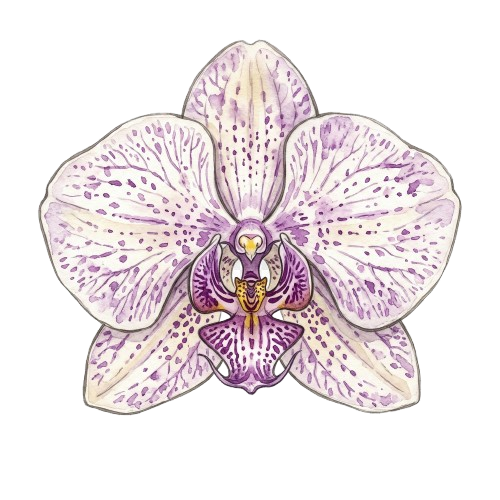
Orchidaceae is an exceptionally diverse flowering-plant family. The Smithsonian overview recognizes hundreds of genera and roughly 29,000 species, including terrestrial, epiphytic, and rock-growing forms. That diversity makes phrases such as "the orchid shape" misleading: orchid flowers vary widely even though they share specialized structures.
The DigiBouquet orchid is a stylized decorative form. It is not intended to identify a species or promise the exact appearance of a Phalaenopsis, Cattleya, Dendrobium, or another cultivated group. University of Wisconsin-Madison Extension provides practical context on several orchids commonly grown as houseplants and on their long-lasting blooms.
What orchid means in this guide
Flower meanings are conventions, not scientific properties. DigiBouquet uses orchid as a cue for precision, distinction, and polish because its asymmetric outline creates a strong focal point. That makes it useful for a mentor thank-you, a professional milestone, a carefully framed congratulations, or a romantic message for someone who prefers modern design.
This is an editorial reading of form. It does not mean every culture assigns orchids "luxury," "strength," or one other universal value. The recipient's experience matters more: an orchid grower may recognize a favorite plant, while someone else may simply see an unusual purple flower.
Color and visual weight
The builder uses color to adjust mood, not to assert a coded message:
- Purple feels high-contrast and deliberate, especially on a dark card.
- White makes the intricate outline easier to read but can feel formal.
- Pink brings the flower closer to affectionate or celebratory arrangements.
- Yellow or orange creates a more energetic result and reduces the sense of ceremony.
If the relationship could be misread, state it in the note. A color cannot reliably distinguish professional admiration from romance.
A builder-tested orchid bouquet
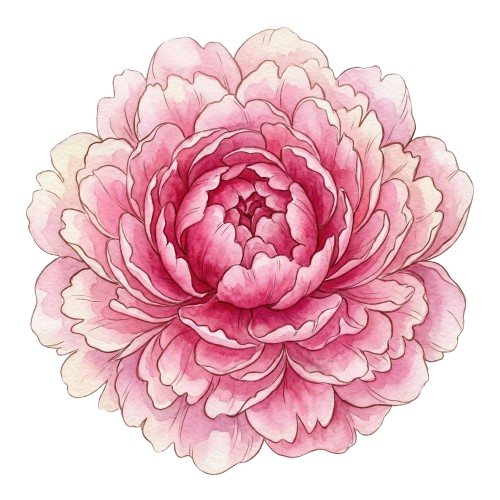
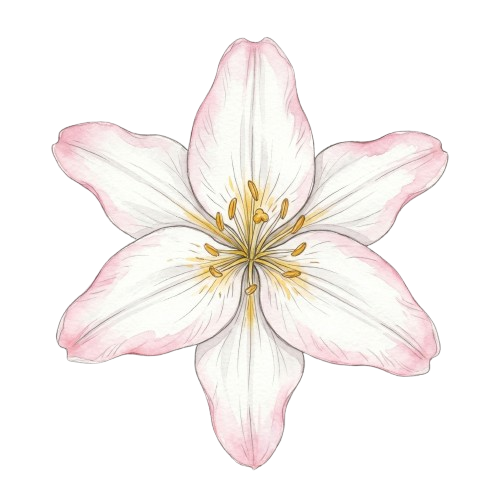
The example combines orchid, lily, and daisy. Orchid supplies the focal detail, lily extends the long petal rhythm, and daisy interrupts that complexity with a compact circular shape. All three choices exist in the live builder and remain distinct at mobile size.
Select the Midnight card template. The dark field gives the lighter flower shapes strong contrast and fits a composed, appreciative message:
I wanted to send something that reflects how much I admire the care and intention you bring to what you do. Thank you for the example you set.
This message names the reason for the bouquet, so "admire" is not left to imply romantic interest. Add a concrete example of the recipient's influence when possible.
When orchid works well
Orchid is a useful lead for promotions, completed projects, mentorship, artistic achievements, and recipients who enjoy structured or contemporary design. It can also make a milestone feel distinct without defaulting to rose.
For a casual friend birthday, tulip, peony, and daisy produce a warmer and less formal result. For recovery support, lily, lotus, and daisy create a quieter composition. If the recipient dislikes dark palettes, keep the orchid but choose a lighter template rather than assuming the flower and template must always travel together.
Avoid inflated claims
Orchid diversity is remarkable on its own. There is no need to add unsourced stories about orchid hunters, universal fertility symbolism, or a single culture-wide meaning. When describing a real orchid, identify the plant as precisely as the evidence allows. When building a digital bouquet, be equally precise about the human message and let the illustration serve that message.
Polished admiration for a mentor
Best for mentors, collaborators, and recipients who appreciate a more polished bouquet tone.


I wanted to send something that reflects how much I admire the care and intention you bring to what you do. Thank you for the example you set.
DigiBouquetCard template: Midnight
I wanted to send something that reflects how much I admire the care and intention you bring to what you do. Thank you for the example you set.
Orchid creates an asymmetrical focal point, lily repeats its long lines, and daisy adds a simple contrasting center.
Inspect this bouquetThe message could land the wrong way
- The relationship is very casual and needs a looser, friendlier tone.
- You want soft support more than admiration or polish.
References and what they support
- OrchidsUniversity of Wisconsin-Madison Extension
Orchid family characteristics, common cultivated groups, growth habits, and flower longevity.
- OrchidaceaeSmithsonian National Museum of Natural History
Orchidaceae diversity, global distribution, growth forms, and defining flower structures.
Copyright and usage notice
The flower, petal, greenery, and bouquet arrangement visuals shown here are part of the DigiBouquet service experience.
You may display these visuals through bouquets created with DigiBouquet, but you may not extract, redistribute, train on, or reuse them outside the service without permission from the applicable rights holder. Read the Terms of Service or email support@digibouquet.net.
Curate an Orchid Bouquet
Use orchids when you want the bouquet to feel polished, elevated, and thoughtfully chosen.