
Which daisy are we talking about?
"Daisy" is a common name used for many plants, not a precise label for one species. The DigiBouquet illustration is closest to the familiar English daisy, Bellis perennis: a low-growing plant with white, pink, or red-tinged ray florets around a yellow center. NC State Extension documents its compact habit, composite flower head, and use in lawns, borders, and containers.
That distinction matters. A Gerbera, Shasta daisy, and English daisy do not have the same scale or silhouette. This page explains how the builder's small white-and-yellow daisy functions in a composition; it is not a botanical guide to every plant called a daisy.
What daisy means in a digital bouquet
There is no universal flower-language definition. In DigiBouquet, daisy is an editorial cue for openness, friendliness, and low formality. The reading comes from its simple radial shape and bright center, then from how it interacts with the other flowers and the card message.
That makes daisy useful when a grand gesture would feel out of scale: a birthday note for a friend, a quick thank-you, encouragement after a difficult week, or a small reminder that someone is on your mind. It can also keep a more polished flower, such as orchid, from making the arrangement feel distant.
If the recipient connects daisies with a personal memory, that association is more important than this site's design shorthand. Treat the flower as part of a sentence, not as a coded word with one fixed translation.
How to keep the tone clear
White petals and a yellow center create strong visual contrast, so daisy tends to read as light even when the card is neutral. Pairing determines where that lightness goes:
- With tulip, daisy feels casual and energetic.
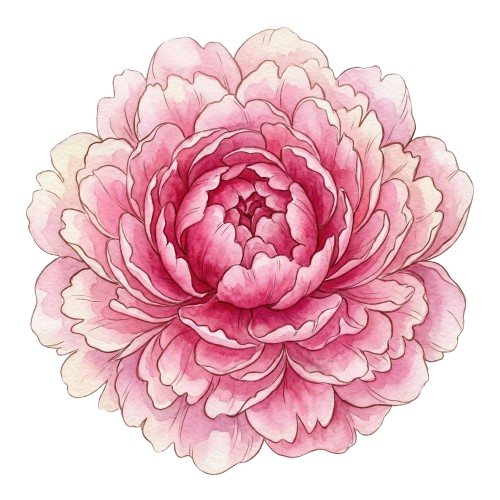
- With peony, it softens a full celebratory arrangement.
- With orchid, it makes a polished bouquet more approachable.
- With rose, the message can become romantic, so the note should state the relationship clearly.
Do not rely on daisy imagery to communicate recovery, innocence, or sympathy on its own. Those ideas are culturally and personally contingent. For a sensitive occasion, use plain language and check whether a bright flower feels welcome.
A builder-tested daisy bouquet
The example uses daisy, tulip, and orchid, all valid choices in the live builder. Daisy provides the visual center, tulip adds upward movement, and orchid gives the arrangement an asymmetrical accent. The Garden Party card template repeats the friendly floral direction without changing the intended relationship.
The message is deliberately direct:
I wanted to send something kind and straightforward. You matter to me, and I hope this feels simple in the best way.
That wording works for a friend or supportive everyday gesture because it does not claim intimacy the recipient may not share. Personalize it with one concrete detail, such as what they helped with or what you appreciated about a recent conversation.
When daisy is the wrong choice
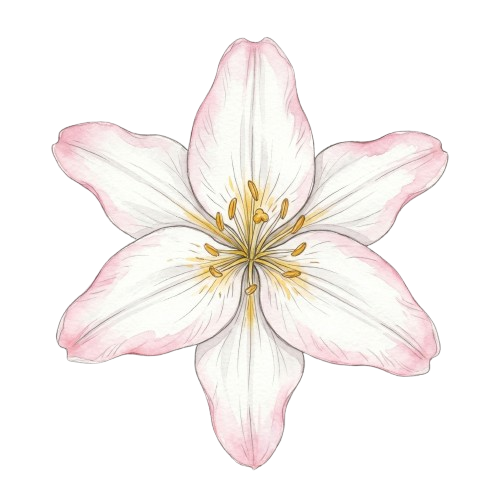
Skip daisy when the recipient prefers formal design, when the event has strong ceremonial conventions, or when visible brightness would clash with the emotional moment. Lily or camellia can create a more restrained composition; rose can make romantic intent clearer when that intent is already welcome.
For apologies, grief, or health-related messages, the relationship and wording matter more than the flower. Avoid promises about recovery, demands for a response, or symbolism that tells the recipient how to feel.
A practical sending check
Before sharing the bouquet, read the note without looking at the flowers. If the relationship and purpose are still clear, the design is supporting the message rather than carrying an impossible burden. Then check the complete arrangement at mobile size so the daisy remains visible beside the larger tulip and orchid forms.
Friendly sincerity without formality
Best for friendship, gratitude, and everyday care when the bouquet should sound open and believable.



I wanted to send something kind and straightforward. You matter to me, and I hope this feels simple in the best way.
DigiBouquetCard template: Garden Party
I wanted to send something kind and straightforward. You matter to me, and I hope this feels simple in the best way.
Daisy creates an open center, tulip adds lift, and orchid introduces contrast without making the bouquet cold.
Inspect this bouquetThe message could land the wrong way
- The occasion is deeply romantic or ceremonial.
- You need a bouquet that carries more gravity than brightness.
References and what they support
- English DaisyNC State Extension
Botanical description, bloom form and colors, growing habit, and common garden uses of Bellis perennis.
Copyright and usage notice
The flower, petal, greenery, and bouquet arrangement visuals shown here are part of the DigiBouquet service experience.
You may display these visuals through bouquets created with DigiBouquet, but you may not extract, redistribute, train on, or reuse them outside the service without permission from the applicable rights holder. Read the Terms of Service or email support@digibouquet.net.
Build with Daisies
Use daisies when you want your message to feel open, kind, and believable.