What makes a peony recognizable
Peonies belong to the genus Paeonia. Garden peonies include herbaceous, woody, and intersectional groups, with single, semi-double, and densely double flower forms. The Royal Horticultural Society documents colors ranging from white and pale yellow through pink, coral, and deep red, as well as the plant's relatively short flowering season and long life in a suitable garden position.
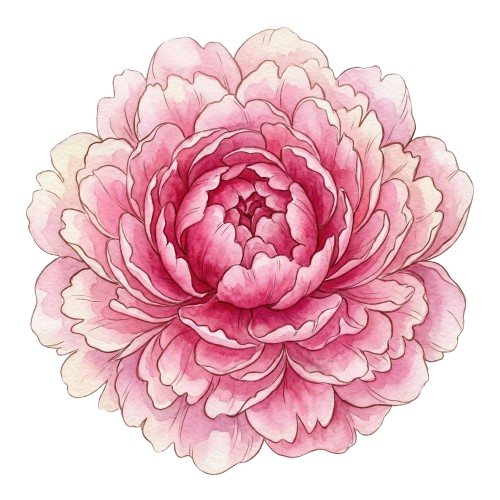
The DigiBouquet illustration emphasizes the layered, rounded flower head. It is a design asset rather than a cultivar portrait, so this guide does not attach a species or variety name that the image cannot support.
What peony means in this guide
DigiBouquet uses peony as a cue for generous celebration. That choice comes from visual scale: a broad, layered peony gives an arrangement fullness immediately. It can make a birthday, anniversary, graduation, or thank-you feel substantial without making rose the default.
This is not a universal statement about peony symbolism. Meanings associated with peonies differ across historical sources and cultural settings. A recipient's personal association, including memories of a family garden or wedding, is more relevant than a generic online chart.
Color changes the occasion
Use color to tune the design rather than claim a fixed message:
- Pale pink feels warm and soft, suitable for affection or a friend celebration.
- Coral adds energy and works well for a visible milestone.
- White feels restrained and needs warmer supporting flowers if the occasion is festive.
- Deep red adds weight and can move the bouquet toward romance or formality.
If the intended relationship matters, make it explicit in the note. "I'm proud of you" is clearer than expecting a pink or red flower to establish the tone.
A builder-tested peony bouquet
The example combines peony, tulip, and daisy. Peony provides the full center, tulip gives the arrangement height, and daisy adds a smaller repeated circle so the design stays friendly. The Garden Party card template continues the celebratory floral rhythm and is an actual option in the builder.
Use the included note as a structure:
I wanted this bouquet to feel full of warmth and celebration. You deserve to be celebrated generously and in a way that still feels true to you.
Replace the general second sentence with the real reason for the celebration. Naming the finished project, difficult year, new role, or shared memory makes the message more useful than adding more adjectives.
When peony is a strong choice
Choose peony when fullness suits the moment: a close friend's birthday, a major personal milestone, an anniversary, or a thank-you that deserves more visual presence. Pair it with tulip and daisy for a platonic direction, camellia for a quieter arrangement, or rose only when romantic emphasis is welcome.
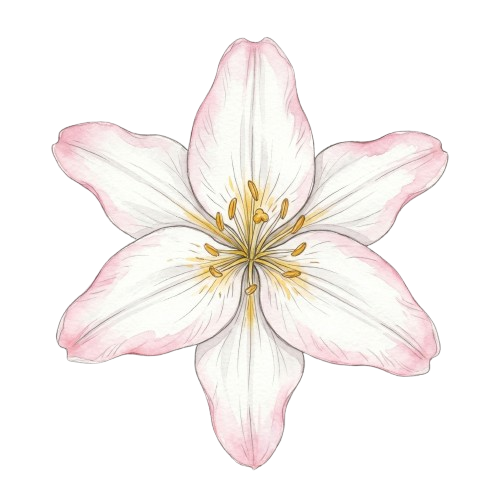
For apology, grief, or low-key recovery support, a large celebratory center may feel out of step. Lily, lotus, and camellia offer more space and restraint. The right choice depends on the recipient, not a ranking of flowers.
Do not confuse digital and physical seasonality
A digital peony is available whenever the builder is online. A physical peony has a growing and cut-flower season that varies by region and supply chain. Do not promise that a florist can reproduce the digital arrangement at any time of year. If you later send real flowers, confirm availability and let the florist suggest a similar form when peonies are not in season.
Celebration with warmth
Best for birthdays, milestones, anniversaries, and gratitude that should feel generous rather than narrowly romantic.



I wanted this bouquet to feel full of warmth and celebration. You deserve to be celebrated generously and in a way that still feels true to you.
DigiBouquetCard template: Garden Party
I wanted this bouquet to feel full of warmth and celebration. You deserve to be celebrated generously and in a way that still feels true to you.
Peony supplies a full layered center, tulip adds height, and daisy keeps the composition open and approachable.
Inspect this bouquetThe message could land the wrong way
- The moment is solemn and calls for more restraint.
- The relationship needs very clear romantic signaling instead of broader warmth.
References and what they support
- Peony (Paeonia)Royal Horticultural Society
Peony forms, flower colors, seasonality, longevity, and horticultural characteristics.
Copyright and usage notice
The flower, petal, greenery, and bouquet arrangement visuals shown here are part of the DigiBouquet service experience.
You may display these visuals through bouquets created with DigiBouquet, but you may not extract, redistribute, train on, or reuse them outside the service without permission from the applicable rights holder. Read the Terms of Service or email support@digibouquet.net.
Design a Peony-Led Bouquet
Use peonies to make your bouquet feel abundant, warm, and celebratory.