Lotus is not a water lily
The sacred lotus, Nelumbo nucifera, is an aquatic perennial with round leaves and pink or white flowers held above the water. It is botanically distinct from water lilies, which belong to the family Nymphaeaceae. The two are often confused in captions and stock imagery, so the distinction is worth checking before making claims about a pictured flower.
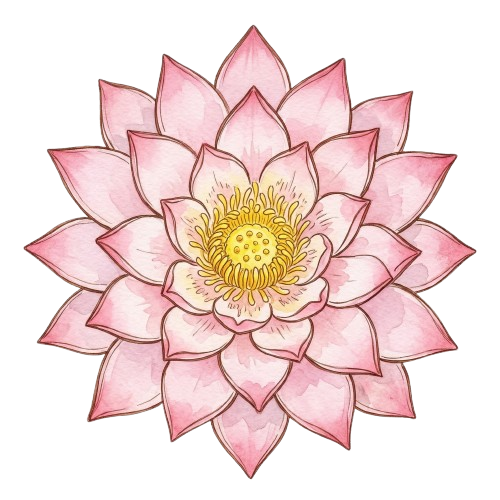
NC State Extension documents the plant's aquatic growth, showy flowers, and Asian native range. DigiBouquet uses a simplified lotus silhouette rather than a scientific illustration; it is designed for composition, not species identification.
Sacred context comes first
Lotus imagery has important roles in Buddhist and Hindu art and practice. The Rubin Museum describes associations including transcendence, purity, compassion, wisdom, and the possibility of awakening. Those associations belong to living religious and cultural contexts. They should not be flattened into a universal slogan or used as decoration without considering the recipient.
This guide therefore does not claim that a lotus "always means resilience" or that a color has one fixed spiritual definition. A recipient may welcome the imagery, understand it differently, or prefer not to receive a sacred symbol in a casual message. When you are unsure, ask or choose a flower without the same religious weight.
What lotus does in a DigiBouquet
Within the builder, lotus creates a low, centered focal point. We use that visual quality for messages about calm presence, reflection, and patient encouragement. This is an editorial composition rule, separate from the religious meanings documented by the museum.
Lotus works best when the sender avoids turning hardship into an uplifting story on the recipient's behalf. "You will emerge stronger" may sound encouraging to the sender but can impose a lesson on someone who is still struggling. A safer note offers company, names care, and leaves the outcome open.
Color is not a shortcut
The builder's lotus is a stylized flower rather than a catalog of sacred iconography. Pale pink can feel warm and white can feel restrained at a visual level, but those palette observations should not be presented as authoritative Buddhist or Hindu color meanings.
If a religious interpretation matters to the message, use a source from the relevant tradition and understand the specific context. If it does not, describe the intended feeling plainly in the card.
A builder-tested lotus bouquet
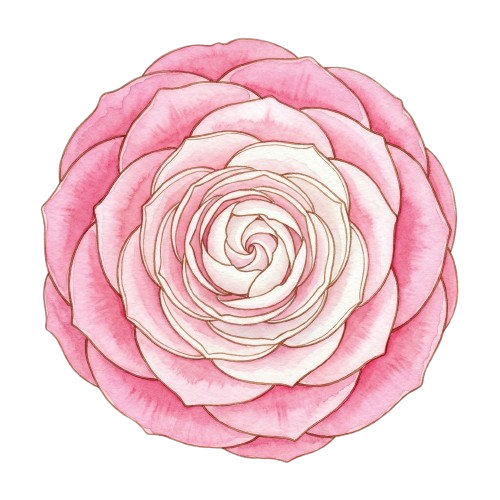
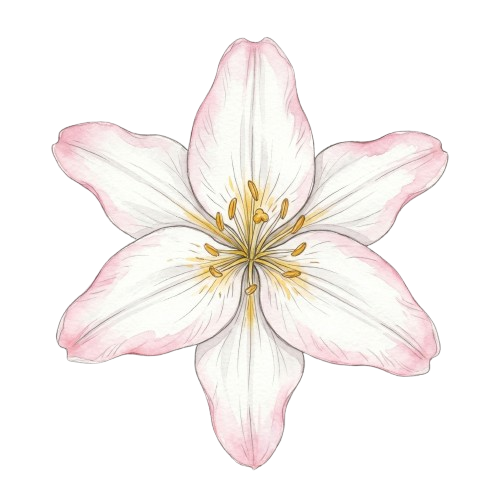
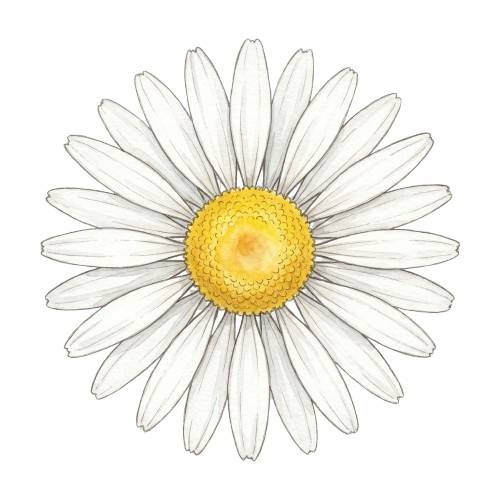
The example uses lotus, lily, and daisy, satisfying the builder's three-flower minimum. Lotus establishes the center, lily adds outward movement, and daisy keeps the arrangement from becoming visually solemn. Select the Watercolor Wash card template, whose soft painted field supports the quiet palette.
The note is intentionally modest:
I wanted to send something calm and hopeful. You have been moving through a lot, and I hope this feels like one quiet moment of company.
It does not diagnose the recipient, promise recovery, or claim that suffering has a purpose. For a practical get-well gesture, add a concrete offer only when you can follow through, such as bringing a meal or handling an errand.
When lotus is not the right choice
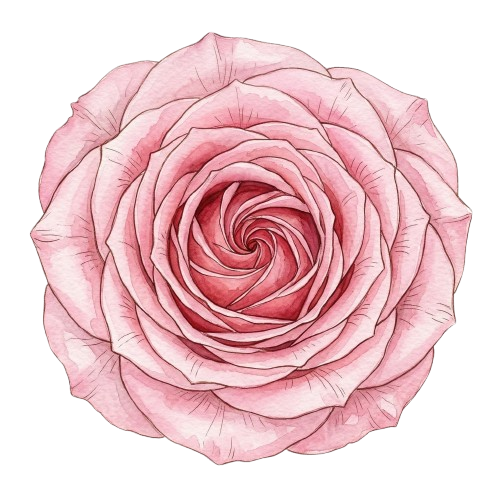
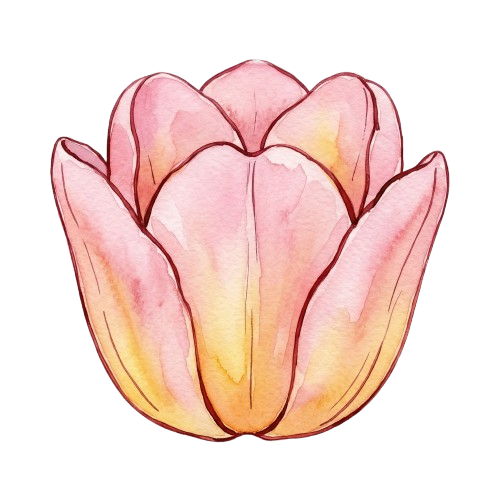
Choose daisy or tulip for a purely playful celebration. Use rose when romantic clarity matters. Skip lotus when you do not know whether sacred imagery is welcome, or when the recipient has asked for space and any message would cross a boundary.
The strongest check is simple: if the message would become vague or presumptuous without the symbolism, rewrite the message. The flower should support clear human communication, not replace it.
Hopeful support without pressure
Best for recovery, reflection, and encouragement when the bouquet should feel centered rather than celebratory.
I wanted to send something calm and hopeful. You have been moving through a lot, and I hope this feels like one quiet moment of company.
DigiBouquetCard template: Watercolor Wash
I wanted to send something calm and hopeful. You have been moving through a lot, and I hope this feels like one quiet moment of company.
Lotus creates a centered focal point, lily opens the outline, and daisy adds a smaller, familiar shape.
Inspect this bouquetThe message could land the wrong way
- The occasion is playful and purely celebratory.
- You do not know whether sacred imagery is appropriate for the recipient.
References and what they support
- Sacred LotusNC State Extension
Botanical identity, aquatic growth habit, flower colors, native range, and garden characteristics of Nelumbo nucifera.
- The Lotus Flower: Sacred Symbol of TranscendenceRubin Museum of Himalayan Art
The lotus's sacred roles and selected symbolic associations in Buddhist and Hindu art and practice.
Copyright and usage notice
The flower, petal, greenery, and bouquet arrangement visuals shown here are part of the DigiBouquet service experience.
You may display these visuals through bouquets created with DigiBouquet, but you may not extract, redistribute, train on, or reuse them outside the service without permission from the applicable rights holder. Read the Terms of Service or email support@digibouquet.net.
Design a Lotus Bouquet
Use lotus flowers when the gesture should feel hopeful, calm, and quietly supportive.